
- GYA Home
- National Young Academies
- Young Academy meetings
To facilitate global and regional exchange between the young academies and their members, the GYA regularly acts as co-organiser of regional or worldwide meetings of young academies.
To learn more, contact Anna-Maria at the GYA Office.
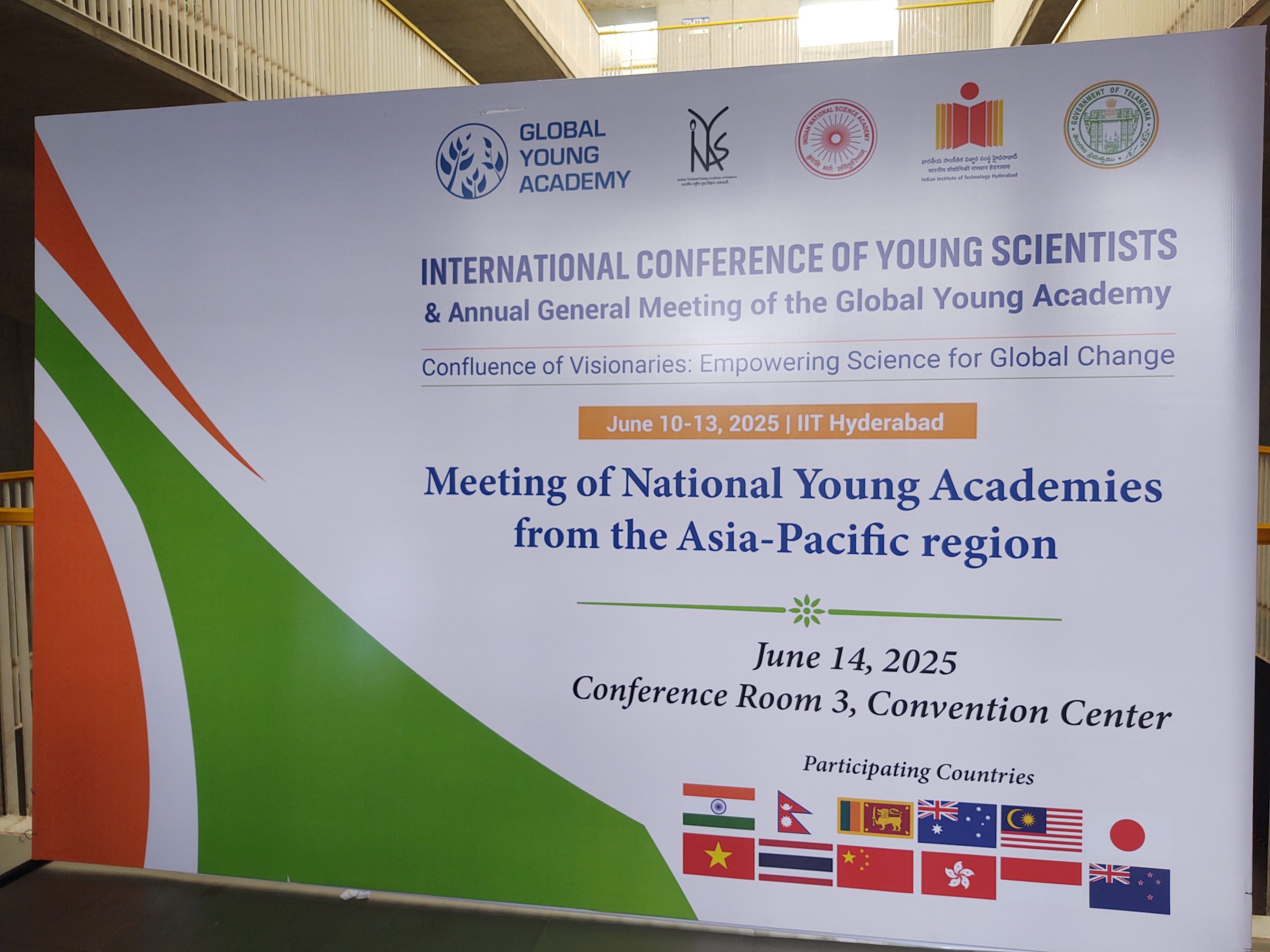
Inaugural Meeting of the Asia-Pacific Young Academies, June 2025 (Hyderabad, India & online)
Read more (click to expand)
In June 2025, the constitutive meeting of the Network of Asia-Pacific Young Academies (NAYA) took place in Hyderabad, India, and online. Organised and hosted by the Indian National Young Academy of Science, the meeting brought together representatives from 12 national young academies from the Asia-Pacific region, as well as from the GYA.
A key outcome was the Hyderabad Declaration on the Launch of the Network of Asia-Pacific Young Academies (NAYA) – a landmark consensus that marks the formation of the first-of-its-kind regional platform to connect, strengthen, and mentor early- and mid-career researchers in the Asia-Pacific region.
The initial structure for the network was discussed and will comprise the Governing Body (currently including the young academies from India, Indonesia, and Australia) and a Steering Committee, which will be composed of one representative per young academy.
A follow-up online meeting was already held on 11 July 2025.
These plans for closer collaboration among the region’s young academies fit very well with endeavours by young academies in other world regions to learn from each other and establish closer collaborations.
Photo: Banner for the constitutive meeting of the Network of Asia-Pacific Young Academies (NAYA)
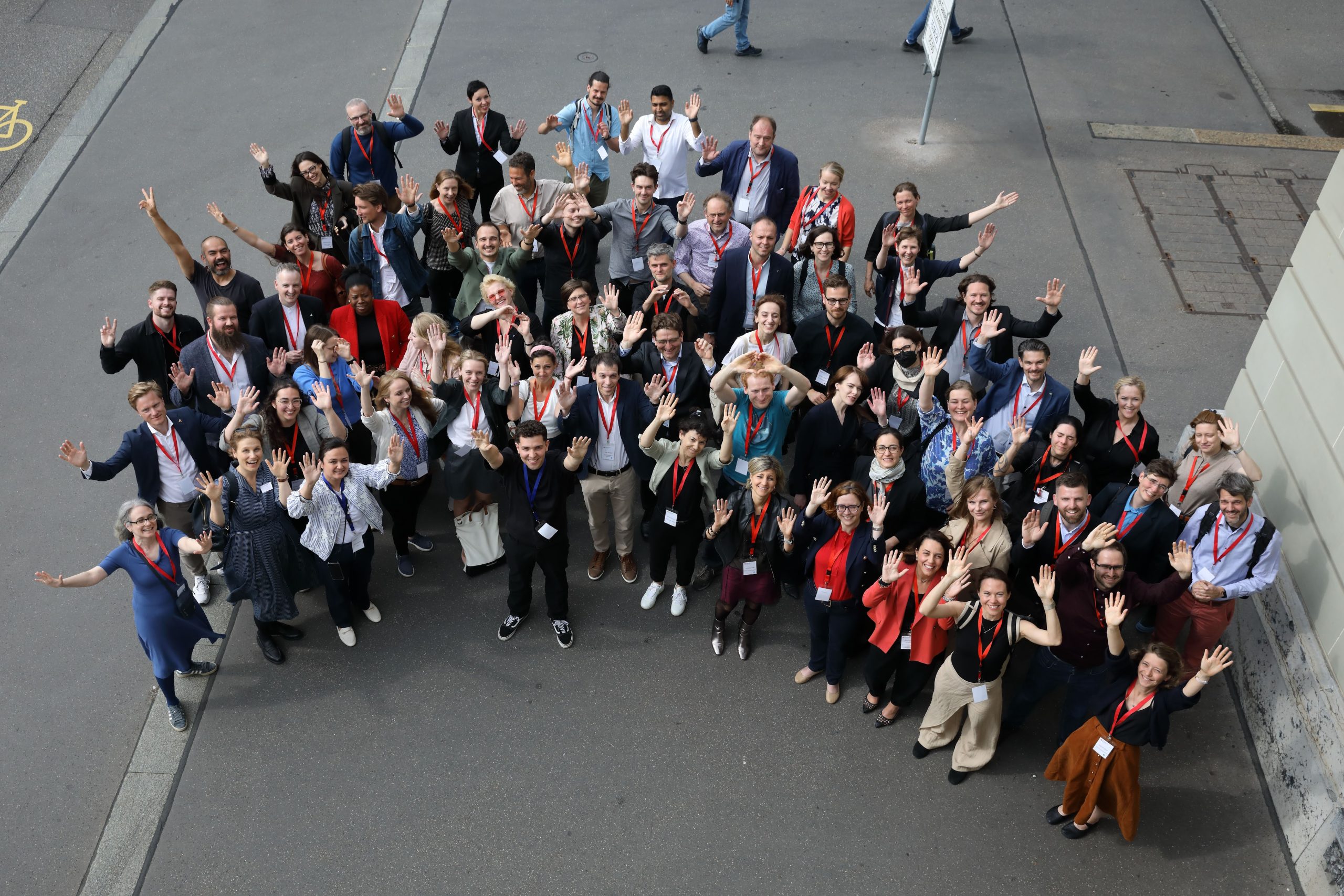
2025 European Young Academies Meeting
Read more (click to expand)
The European National Young Academies (ENYA) Meeting 2025 took place on 5–6 June in Bern, Switzerland, bringing together representatives from young academies across Europe to strengthen collaboration and advance shared priorities. Participants came from 23 young academies from all over Europe, again making this the largest ever ENYA meeting to date.
Organised and hosted by the Swiss Young Academy, this year’s meeting focused on Science Diplomacy as a key enabler of international cooperation, evidence-informed policymaking, and the inclusion of researchers in global decision-making processes.
The GYA was represented by 2024/25 Executive Committee member and GYA YASAS Delegate Markus Prutsch (European Parliament, Belgium) and Stella Tsani (University of Athens, Greece) who participated in her capacity as GYA YASAS Observer. Some GYA members attended the meeting under their national young academies hats: Jovana Milic (Switzerland) and Joao Borges (Portugal); others represented their institution and contributed to the workshops: Estrella Diaz Sanchez (University of Castilla-La Mancha, Spain) and Laura Zimmermann (University of Georgia, USA).
The two-day programme included thematic sessions, interactive workshops, and policy-focused discussions. Topics ranged from science communication, the roles of scientist, or the protection of academic freedom to models of international cooperation, science diplomacy, and the science-policy interface.
GYA members contributed to discussions on enhancing cooperation among national young academies and emphasized the pivotal role that early- and mid-career researchers can play in shaping open, inclusive, and collaborative scientific ecosystems in Europe and beyond. Stella, Jovana, Estrella, and Laura contributed to the session on “Science for Policy and Diplomacy for Early-Career Scientists in Europe”, offering reflections on how to engage early-career researchers and professionals in the science-policy landscape and strengthen their role in addressing pressing global challenges.
The 2025 ENYA Meeting reaffirmed the importance of empowering young scientists to serve as key actors in science diplomacy and international dialogue, in alignment with the GYA’s mission to connect and amplify the voice of early-career researchers worldwide.
A report on the public sessions can be found on the Swiss Young Academy’s website here.
Next year’s ENYA meeting will be hosted by the Polish Young Academy in Warsaw; it will be the third joint meeting with ALLEA – the network of All European Academies.
2025 YASAS General Assembly in Bern, Switzerland
The ENYA meeting was held in conjunction with the General Assembly of YASAS – the Young Academies Science Advice Structure in Europe on 5 June 2025.
Key discussions during the assembly centred on the activities of YASAS and SAPEA (Science Advice for Policy by European Academies) over the past year as part of the European Commission’s Science Advice Mechanism (SAM).
Noteworthy was, among other things, the publication of the “Strategy to Increase the Involvement of Early- and Mid-Career Researchers in SAPEA” in December 2024. This strategic document outlines actionable steps to enhance the participation of early- and mid-career researchers in taking an active role in science advice and shaping European policies.
Looking ahead, attendees deliberated on the future trajectory of YASAS, considering its legal status and exploring potential activities beyond its current involvement with SAPEA. This is with a view to further strengthen YASAS’ role as a pivotal actor in the European scientific advisory landscape.
During the General Assembly, a new YASAS Board was elected, with GYA EC member and delegate Markus J. Prutsch being re-elected as Vice-President. As of 1 July 2025, the YASAS Board comprises the following members:
- Noel de Miranda (President; Dutch Young Academy)
- Markus J. Prutsch (Vice-President; GYA)
- Jennifer McMahon (Board Member; Young Academy Ireland)
- Jovana V. Milić (Board Member; Swiss Young Academy)
- Jeroen van Schependom (Board Member; Belgian Young Academy)
Overall, the 2025 YASAS General Assembly in Bern marked a crucial step forward for YASAS, which has seen continuous growth in membership in recent years and reinforced its commitment to fostering young scientific talent and enhancing the role of science in policymaking across Europe.
Young Academy of Europe alumna elected to SAM
A former Chair of the Young Academy of Europe, Mangala Srinivas, has been elected as one of the group of seven Chief Scientific Advisors who are part of the European Commission’s Scientific Advice Mechanism (SAM).
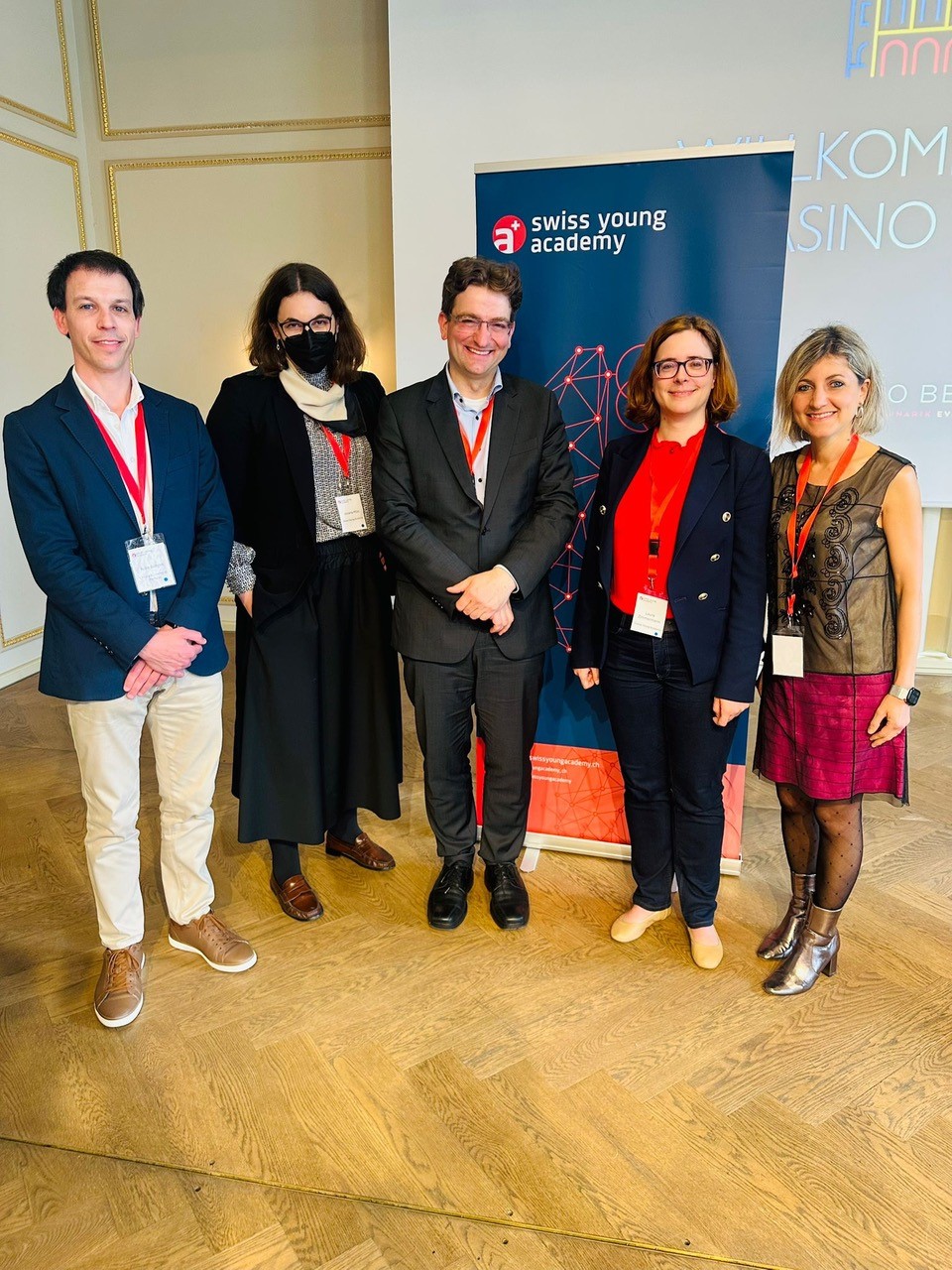
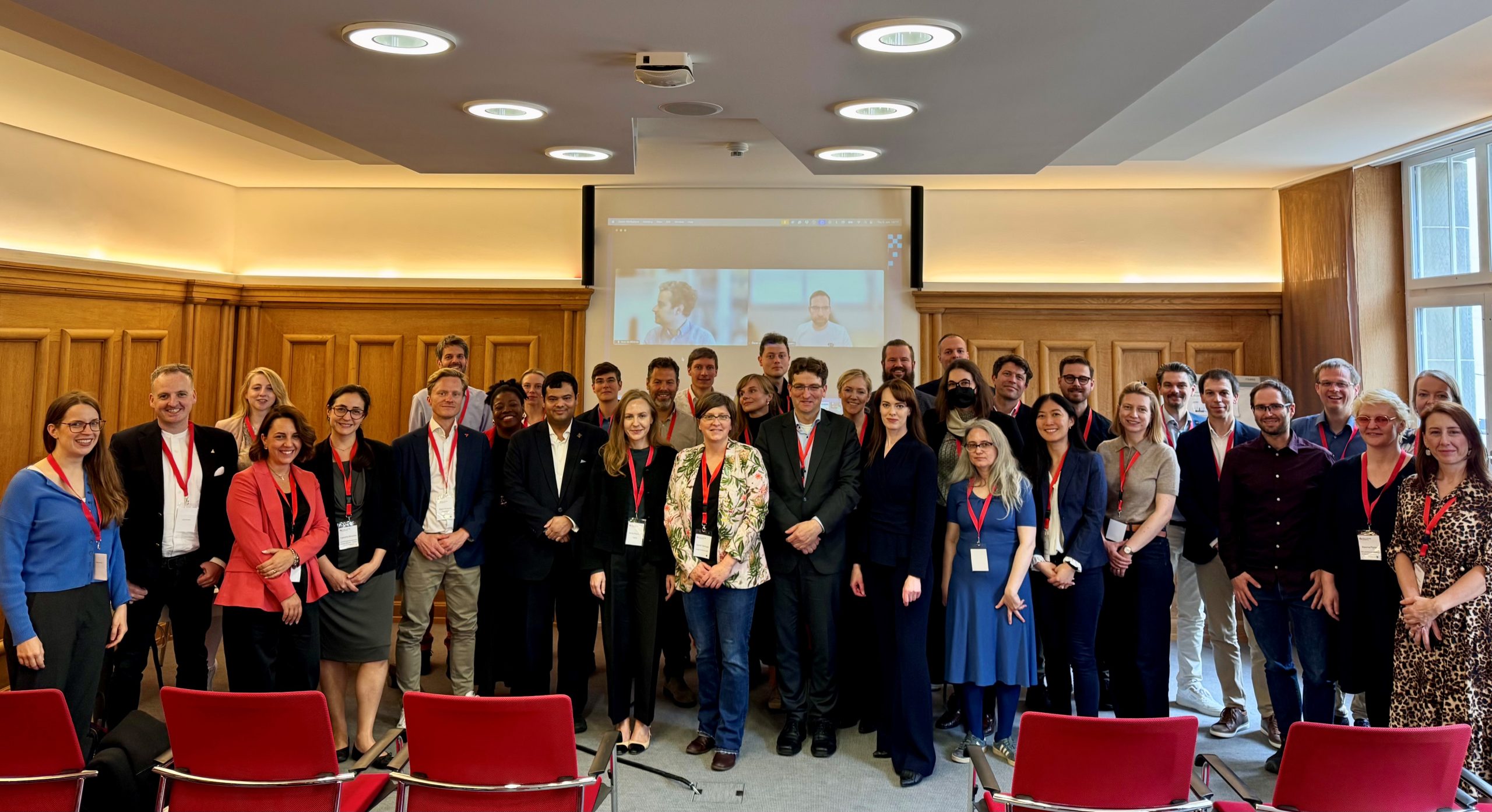
Photo: GYA representatives at Muscat Global Knowledge Dialogue and ISC General Assembly
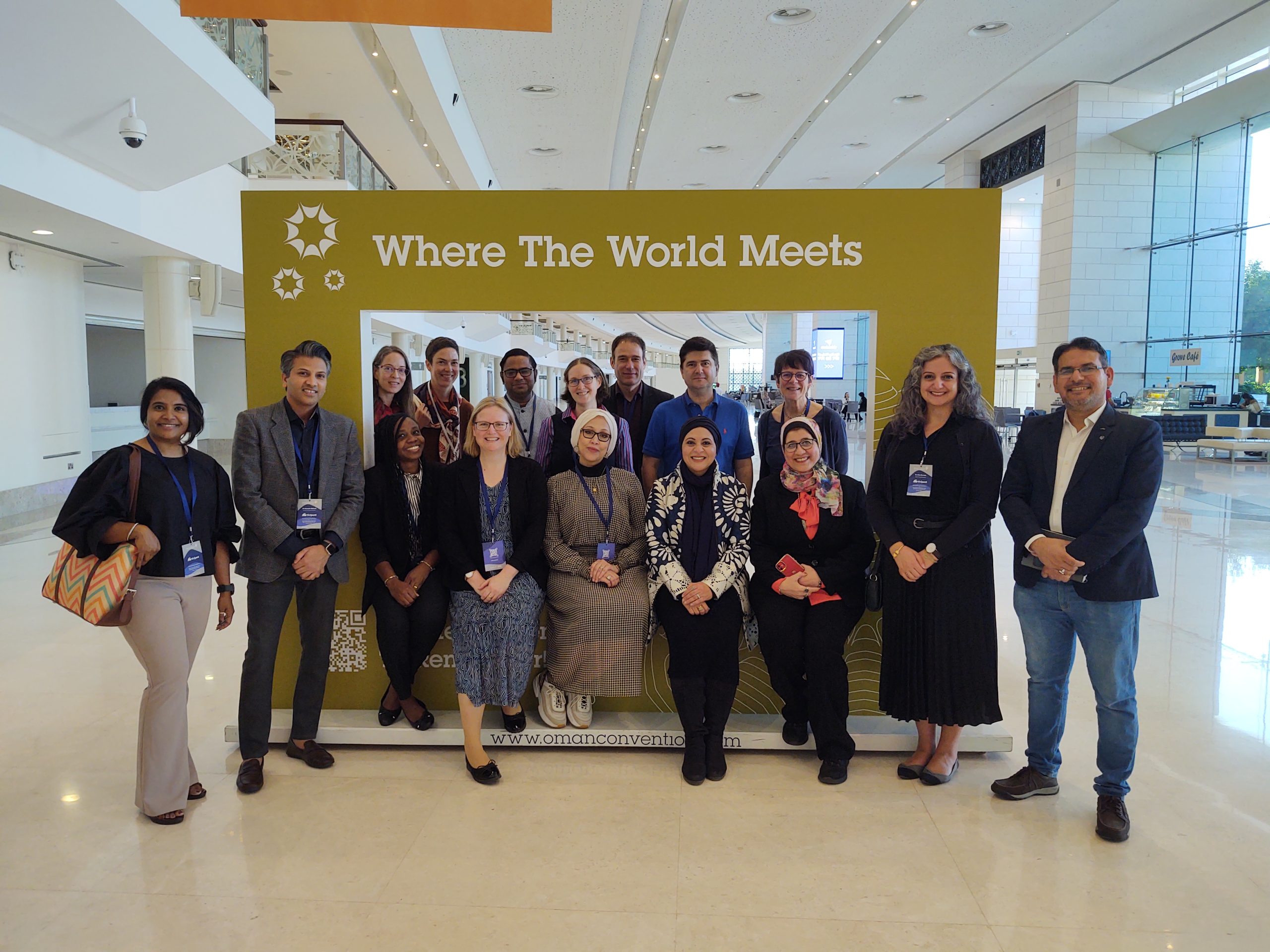
GYA at Muscat Global Knowledge Dialogue and ISC General Assembly
Read more (click to expand)
In January 2025, the GYA participated in the Muscat Global Knowledge Dialogue and Third General Assembly of the International Science Council, which was hosted by the Ministry of Higher Education, Research and Innovation of Oman, in Muscat, Oman. Over 400 representatives from 132 countries gathered in Oman to discuss science’s role in advancing sustainability and global development.
The GYA was represented by Co-Chair Chandra Shekhar Charma, EC member Hiba Baroud, Managing Director Beate Wagner, and Senior Project Officer Anna-Maria Gramatté. Many more GYA members and alumni attended in various roles, as ISC Fellows (Mareli Claassens, Ghada Basioni, Amal Amin, Moritz Riede, and Javier Garcia Martinez), panel speakers, or representing a National Young Academy (Priscilla Kolibea Mante, Sri Fatmawati, Veda Krishnan, Hussain Wahedi, and Aftab Ahmad).
The ISC meetings fell into two categories: the Muscat Global Knowledge Dialogue saw a number of plenary and thematic sessions, and concluded with the adoption of the Muscat Declaration, a call to action for equitable access to knowledge, transformative science systems, and strengthened international collaboration to address pressing global challenges.
During the Dialogue, GYA EC member Markus Prutsch spoke as a panellist at the pre-workshop on “Leveraging the ISC membership to strengthen science advice to policy”, where he introduced the role of the European young academies in the European Commission’s Science Advice Mechanism.
Saja Al Zoubi, co-lead of the GYA group on At-Risk Scholars, presented at a pre-workshop on “Freedom and Responsibility in Science”, while GYA members Carina Geldhauser and Éva Dékány, together with Beate, co-organised a session on “Rethinking Higher Education and Research Excellence in Africa for impact” together with the African Academy of Sciences, where they introduced the Coalition for Advancing Research Assessment (CoARA).
GYA member Luisa F. Echeverría King, who is also part of the ISC Regional Focal Point for the Latin American and Caribbean Region, spoke at the Dialogue’s closing panel about the critical balance between cooperation and competition in research internationally.
The ISC General Assembly that followed was the first in-person General Assembly since the ISC’s establishment in 2018. It heard various reports and saw discussions on, inter alia, the ISC Strategic Plan 2025–2028 and the related budget; new directions in the portfolio of freedom and responsibility in science; a renovated science agenda setting function; future directions in the ISC membership; critical issues related to the futures of science systems; the ISC regional presence and the establishment of new regional antennas; and final modifications in the revised ISC Statutes and Rules of Procedure.
The GYA introduced a short resolution to the General Assembly, proposing a stronger inclusion of early- and mid-career researchers into the ISC’s activities, events, and structures, thereby underscoring the relevance of this new member constituency to the ISC.
A number of Young Academies and young associations have become ISC members in the past 2 years and were now present at the meetings. The GYA as a facilitator for the world’s young academies, was involved in three sessions specifically for the Young Academies and Associations: a members forum for this group of ISC members, co-chaired by Hiba and by Mostafa Moonir Shawrav (Executive Director, Marie Curie Alumni Association) discussed benefits and challenges of international engagement by EMCR organisations.
An EMCR Roundtable session co-chaired by Gabriela Ivan, ISC Officer for Partnerships and Membership Development, and GYA Co-Chair Chandra, provided a welcome platform for exchange, learning, and collaboration among young scientists, ISC members and the broader EMCR community.
A third session brought together representatives from the LAC region interested to set up a young academy in their country with existing young academies in the region, representatives from senior academies, the ISC’s Regional Focal Point, as well as from the GYA Office.
On the occasion of the ISC meetings in Oman, the GYA Office has compiled an updated version of the booklet on “The World’s Young Academies“.
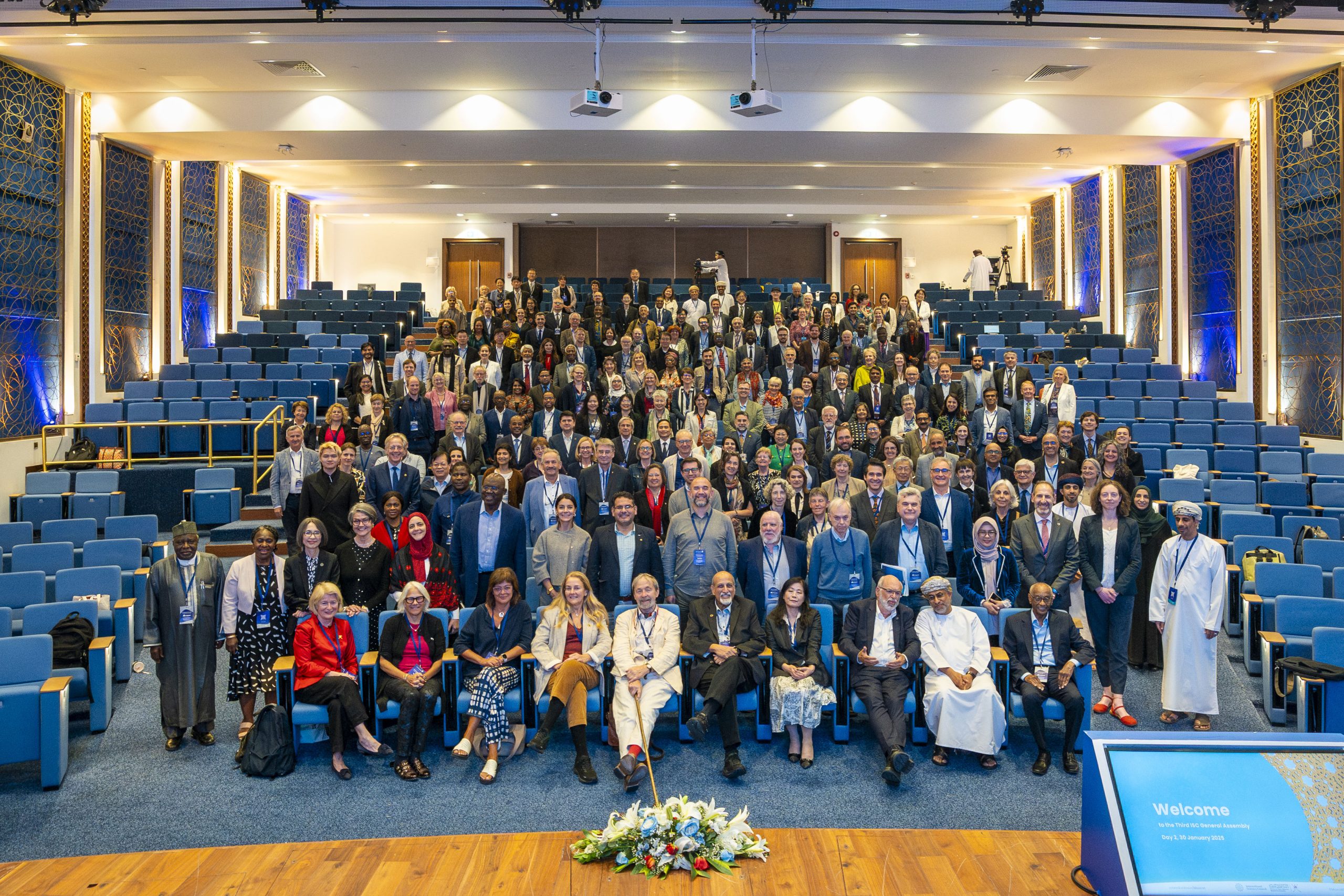
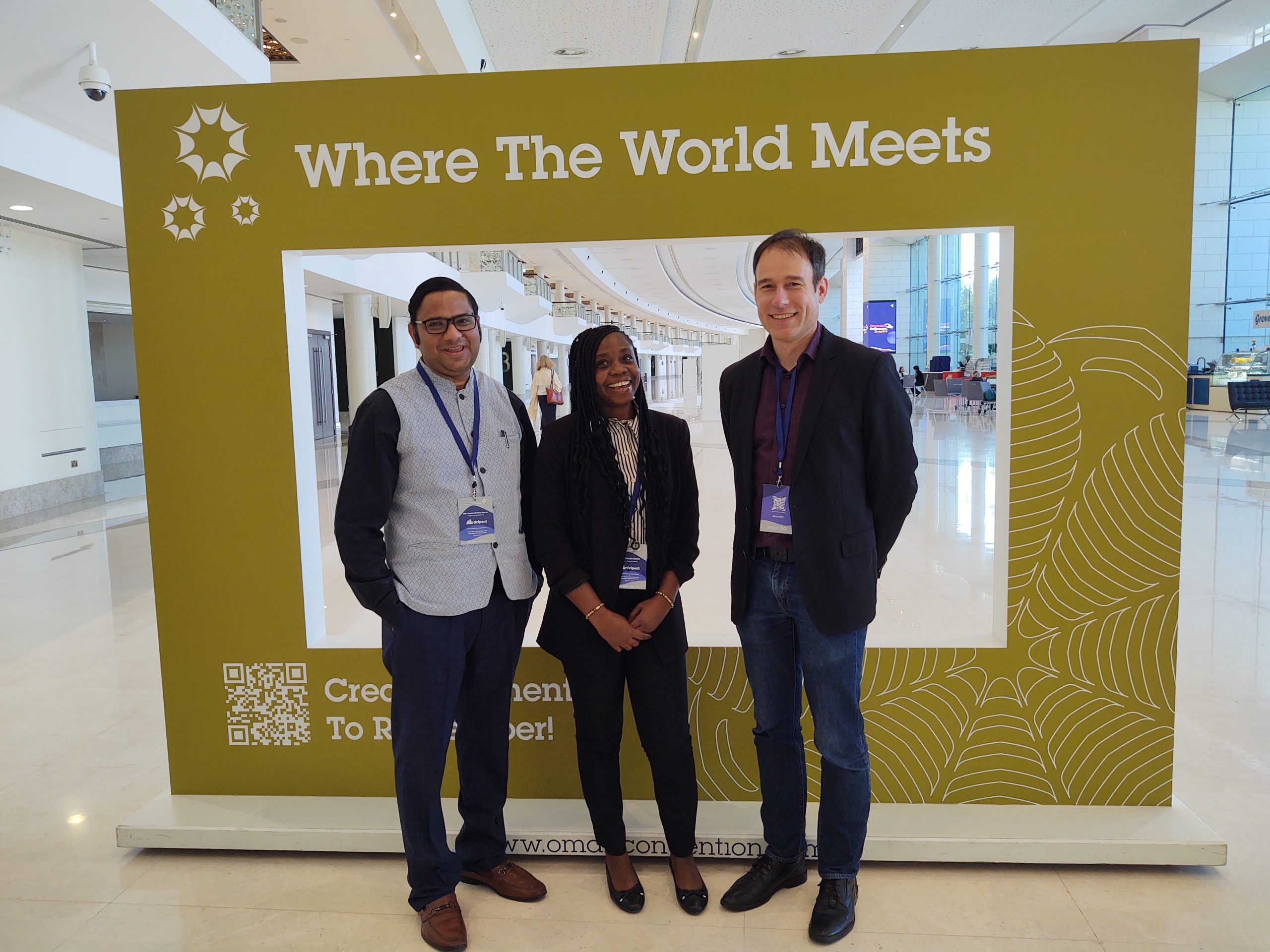

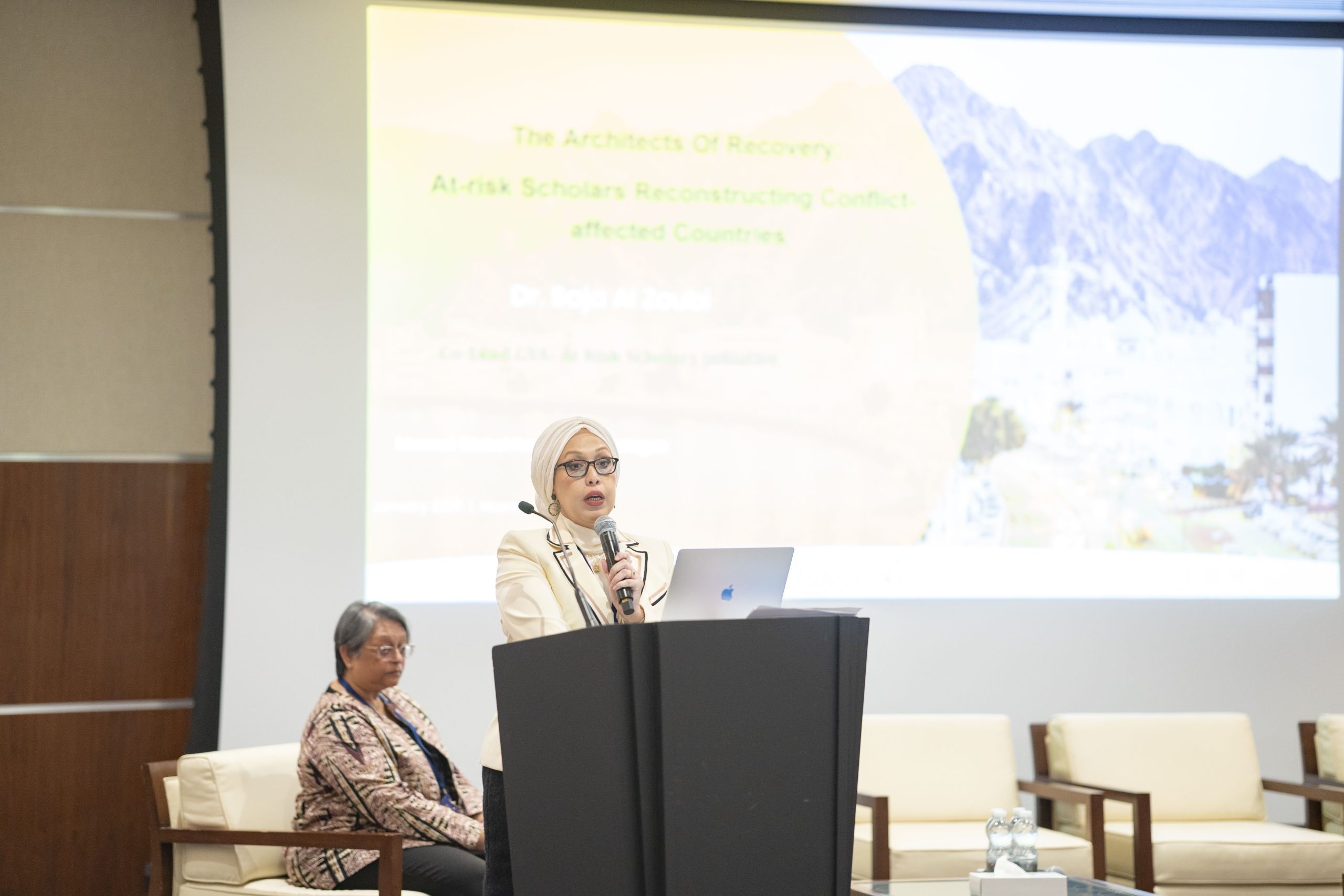
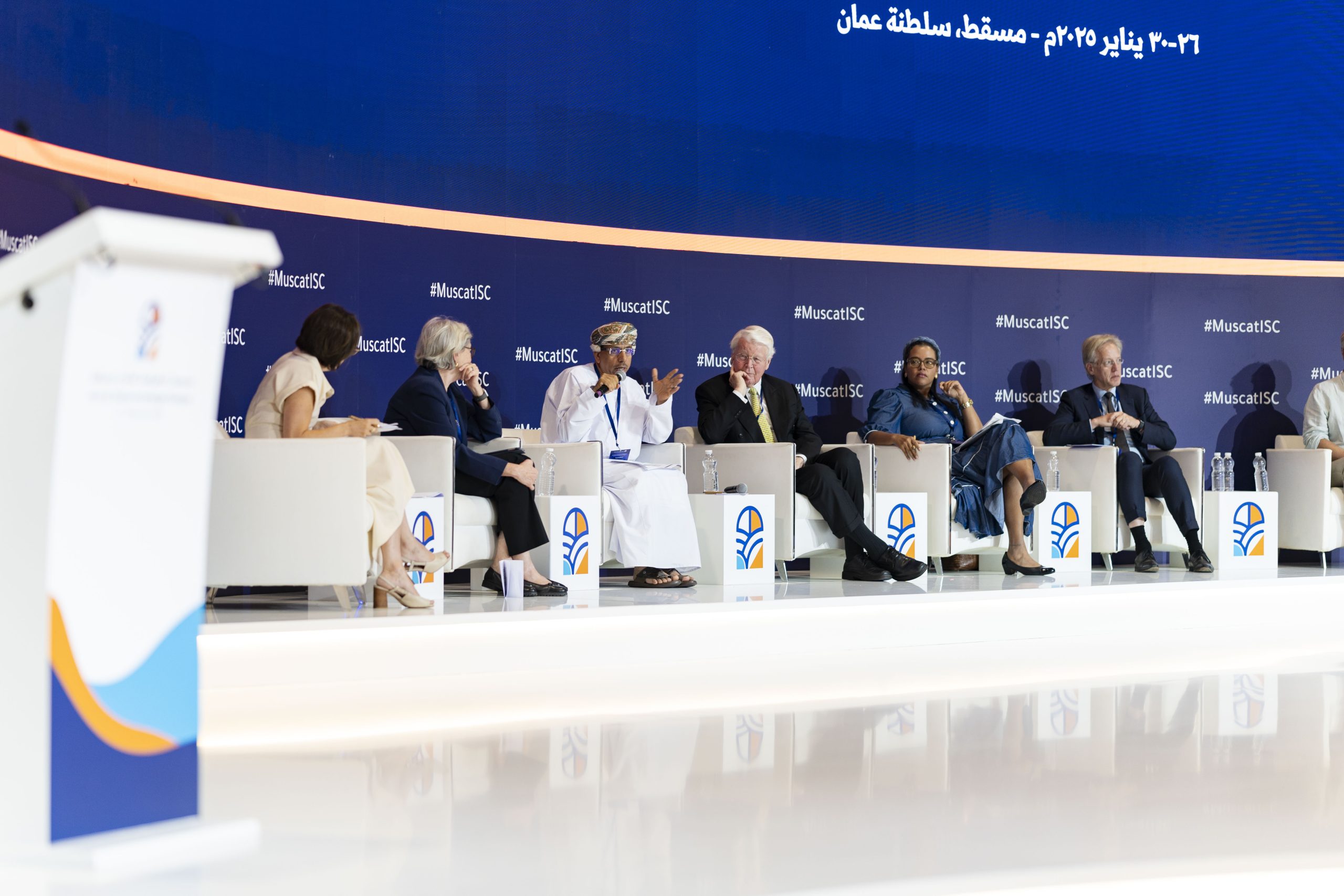
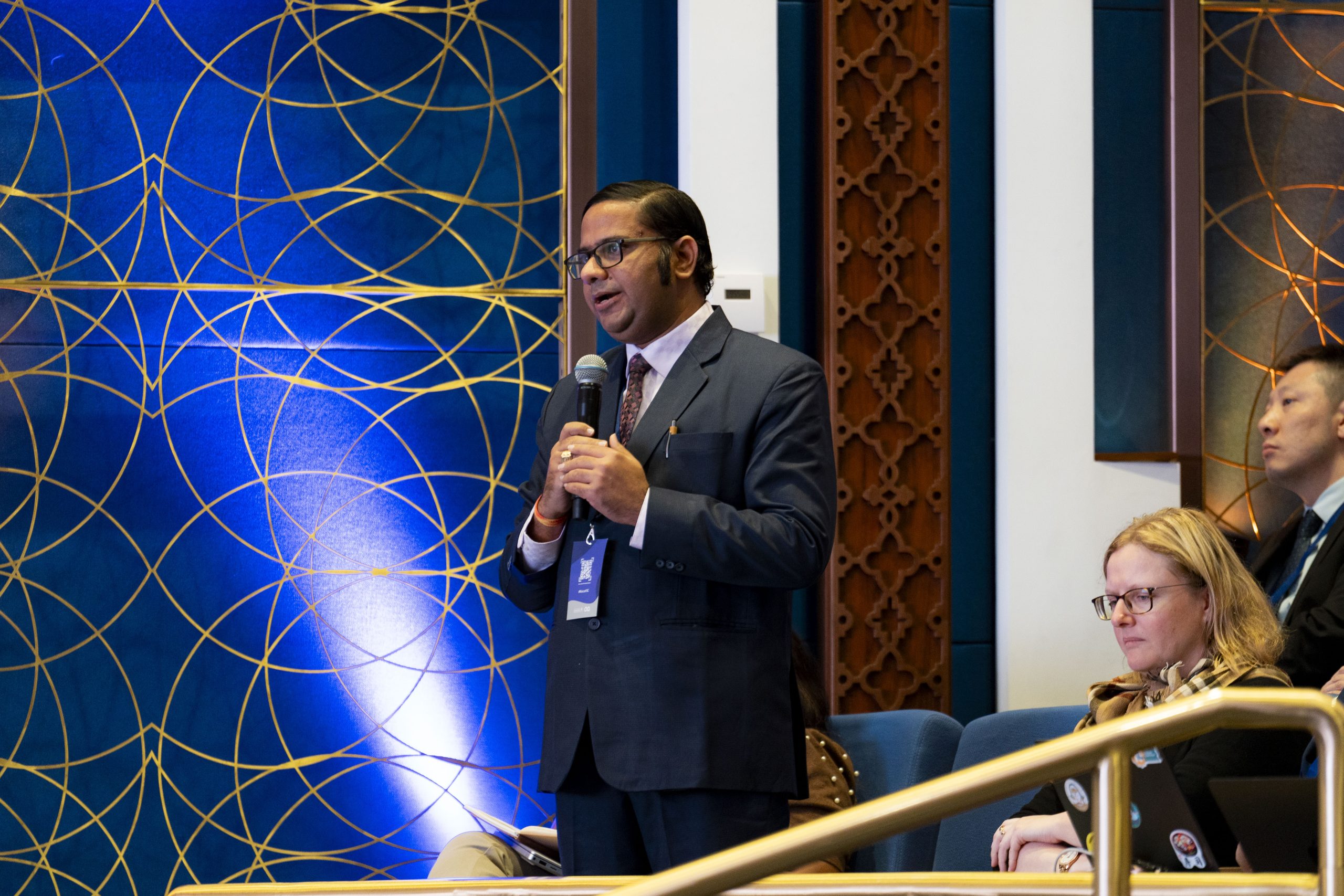
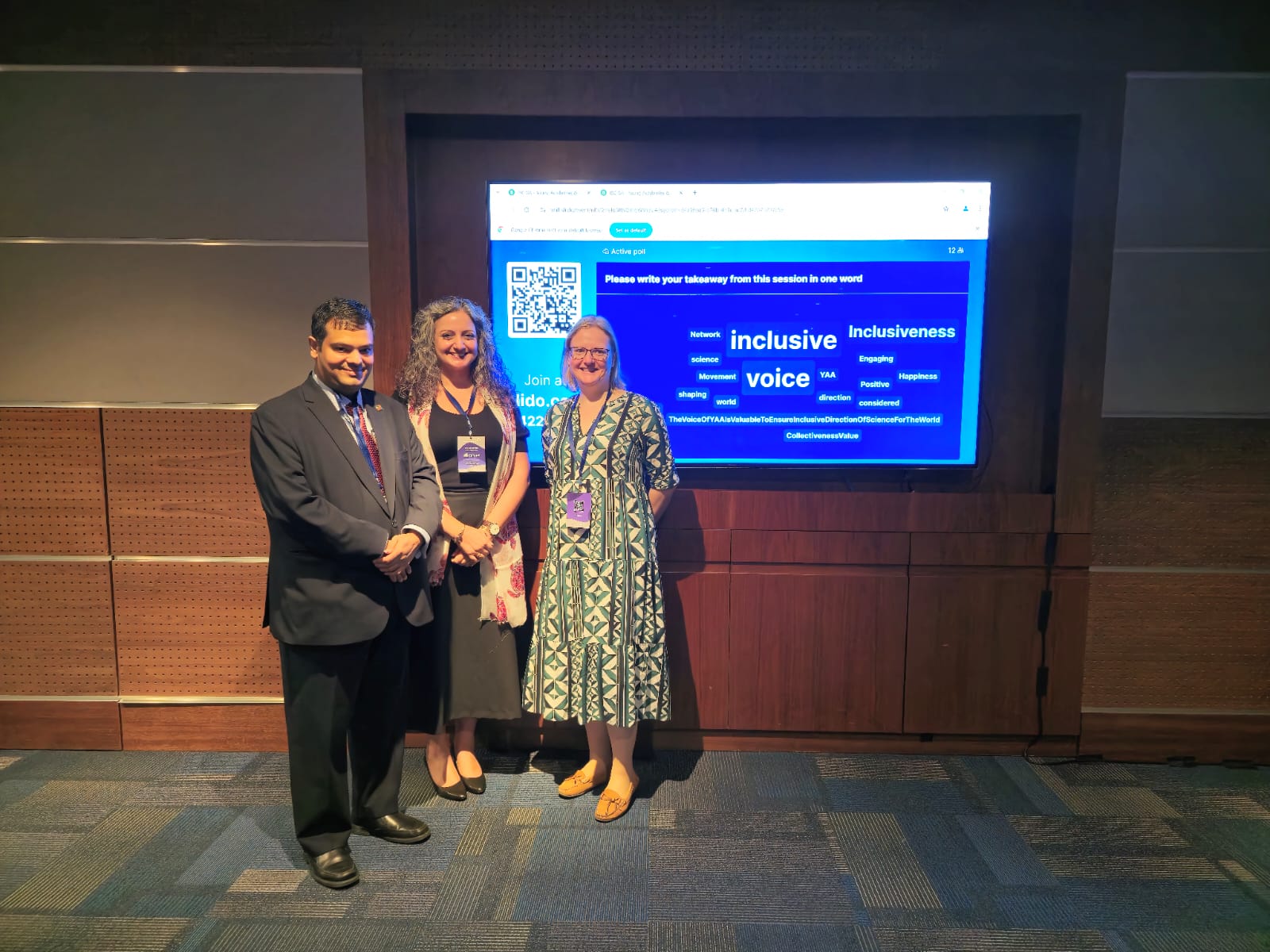
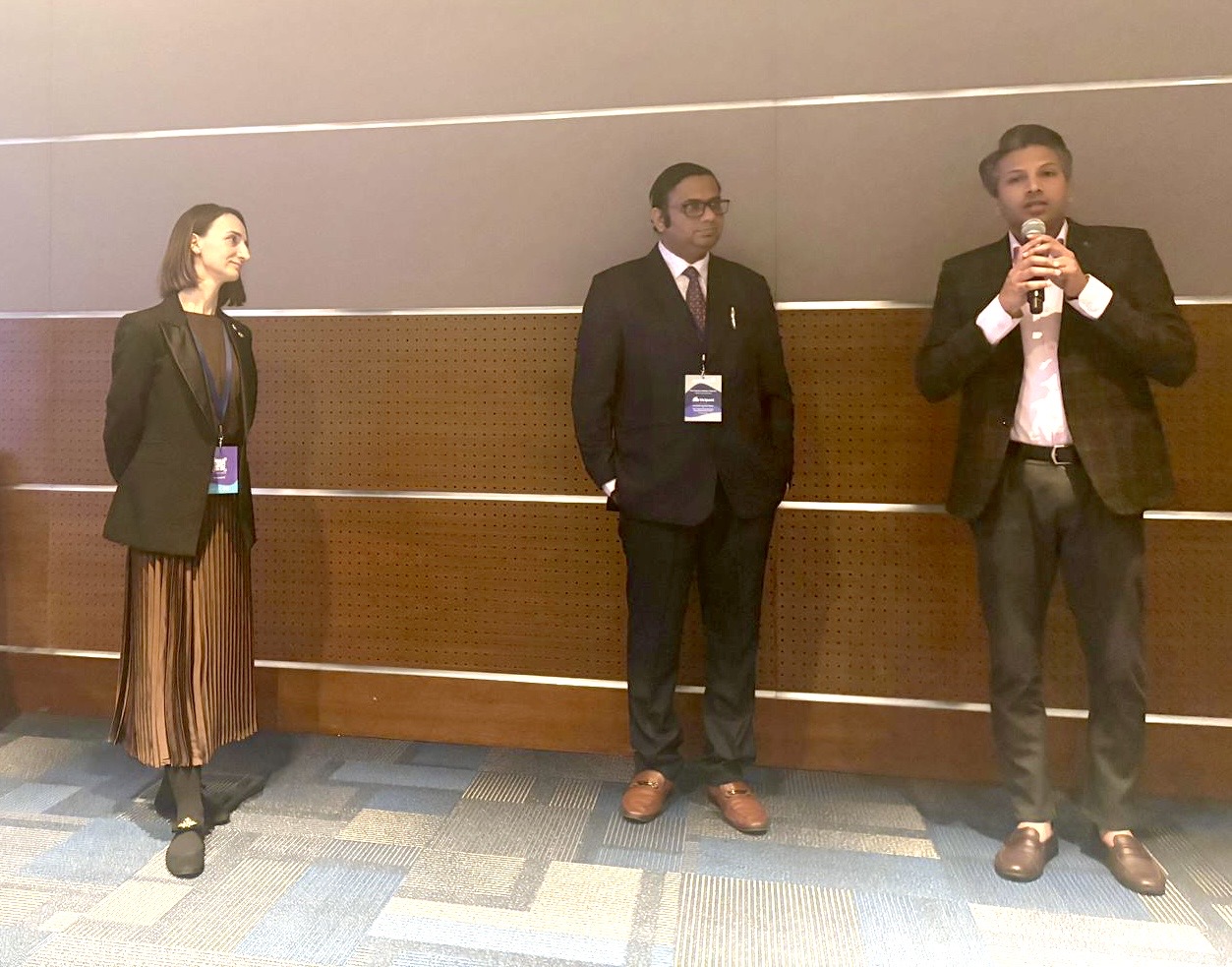
Photo: GYA representatives at Muscat Global Knowledge Dialogue and ISC General Assembly
Meeting of Young Academies from Asia
Read more (click to expand)
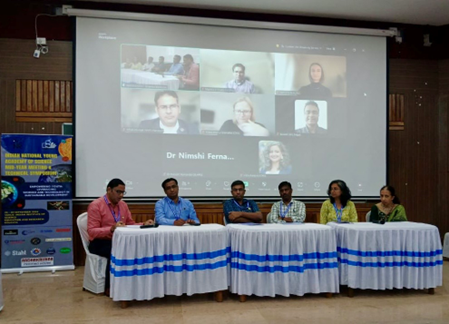
At the end of September 2024, the Indian National Young Academy of Science (INYAS) was celebrating its 10th anniversary at its mid-year meeting.
As part of this three-day INYAS Meeting, the Young Academies from Asia also met. This hybrid networking session was titled “Role of Neighbouring National Young Academies to Build Scientific Temperament among Asian Countries” and brought together representatives from the Global Young Academy (GYA), the International Science Council (ISC), and representatives from the National Young Academies of India, Bangladesh, Sri Lanka, Nepal, Pakistan and New Zealand.
In his introduction to the session, GYA Co-Chair, and Former INYAS Chair, Chandra Shekhar Sharma (IIT Hyderabad, India) reflected on the early initiatives undertaken by INYAS to unite the region’s Young Academies across Asia and emphasized the significance of enhancing collaboration among the Young Academies in Asia to maximize global impact and further develop the young scientific community worldwide.
This was followed by presentations from the Young Academies present, highlighting their Academy’s achievements and future aspirations for cross-border and cross-cultural scientific cooperation.
The Sri Lanka Academy of Young Scientists (SLAYS) spotlighted its robust international connections and contributions to various organizations like NASSL and NSF.
The Royal Society Te Apārangi Early Career Researcher Forum from New Zealand then elucidated its structure of three-year terms and broad membership across disciplines.
The National Young Academy of Bangladesh (NYAB) informed about their ongoing joint activities with INYAS and SLAYS, including work on a project funded by the InterAcademy Partnership (IAP) which focusses on predatory publishing.
Thereafter, the National Young Academy of Nepal (NAYAN) emphasized its role in proliferating interdisciplinary dialogue exchange, while the National Academy of Young Scientists Pakistan outlined its outreach programmes.
GYA member Veda Krishnan (IARI, India) presented on the GYA’s international role as an independent academy connecting 200 members and over 450 alumni worldwide. The academy also works with the world’s national young academies, and supports the creation of new young academies in a number of countries.
The ISC’s presentation informed about 17 young academies having joined the ISC as affiliate members since membership was opened to them in 2023. The ISC General Assembly in Muscat, Oman, in January 2025 would also see these young academies attending the meeting.
In the following discussion, the participants explored strategies to strengthen the network among Asian Young Academies and identified shared aspirations to foster collaboration among the young research community. Drawing successful comparisons to other networks, such as the European Young Academies (EYNA), the panellists discussed and deliberated upon the lessons learned. The importance of building connections among Young Academies, facilitated by the GYA or the ISC, was emphasised.
Given the diverse nature of the Young Academies, starting to build collaborative relationships might be more successful through bilateral or programme-based collaborations at first. Nevertheless, consistency and patience in establishing such networks was key, as the examples of ENYA and YASAS (the Young Academies Science Advice Structure, a network of Young Academies in Europe to bring science into European Commission decision-making) from Europe show.
The challenge of limited funding for international collaborative meetings and programmes was also discussed; it was suggested that online meetings could provide a solution.
In his conclusion, Nishant Chakravorty, INYAS Chair, encouraged the Asian Young Academies to start collaborating and initiating joint activities such as capacity-building workshops or research collaborations, and also to continue meeting online and looking into the feasibility of an in-person meeting.
Overall, the need for an Asian National Young Academy network as a platform for interaction and to address regional challenges collectively became clear.
Photo: Participants on site and online. @INYAS
2024 European Young Academies Meeting in Germany
Read more (click to expand)
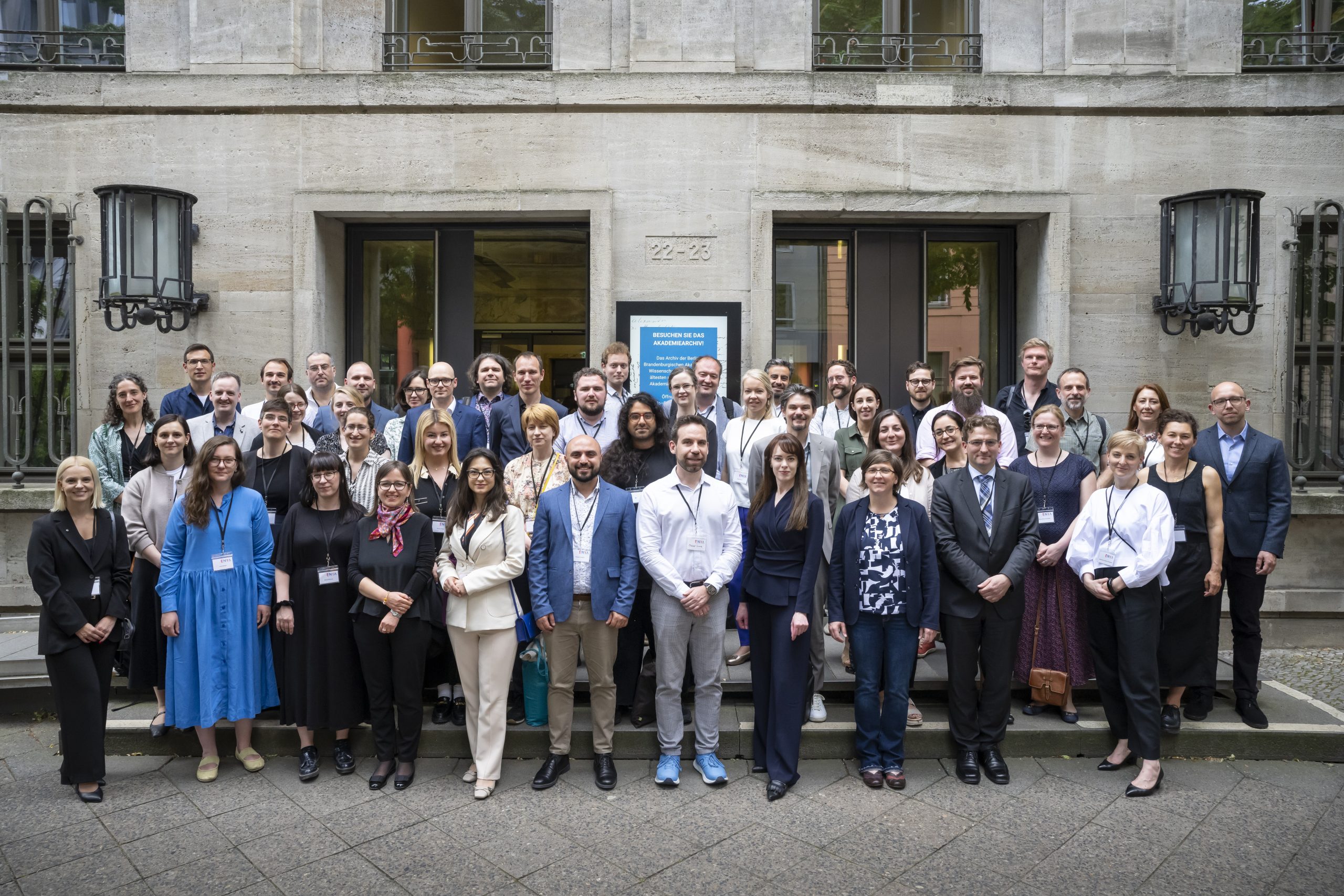
Young Academies from all over Europe met in Berlin, Germany, on 21-23 May 2024. The meeting, organised and hosted by the German Junge Akademie, and co-hosted by the GYA, brought together representatives from 22 young academies and 2 young academy initiatives and again was the largest ever ENYA meeting to date.
The GYA was represented by Executive Committee member and GYA YASAS Delegate Markus Prutsch (European Parliament, Belgium), YASAS Observer Stella Tsani (University of Athens, Greece), EC member Hussam Hussein (Jordan), alumnus and co-lead of the 2021/22 GYA Sasha-Kagansky Interdisciplinary Grant, Bernardo Urbani (Venezuela), and Senior Project Officers Anna-Maria Gramatté and Jennifer Plaul, as well as Student Assistant Olga Demskaya. GYA member Gary Kerr attended for the Young Academy of Scotland, alumnus Javier García Martínez for the Young Academy of Spain, and member Tomislav Mestrovic (University North, Croatia) attended on behalf of the Croatian Young Academy initiative.
Participants in the Young Academies session heard about current successfully finalised projects at some of the young academies, and discussed best practices and lessons learned about various young-academy-relevant topics. Presentations included the following:
- Belgian Young Academy, Nicolas Baeyens: Art/Earth project: An ongoing project between science and art
- Swiss Young Academy, Darius Farman: SYNESPOD project (Swiss Young Network for Science Policy and Diplomacy)
- Young Academy of Sweden, Iva Lucic & Sverker Lundin: Stockholm Charter for Academic Freedom
- Norway Young Academy, Birger Berge & Feroz Mehmood Shah: Research competition for High School students
- Dutch Young Academy, Noel de Miranda: Everyone Professor initiative
- GYA, Bernardo Urbani: Project on Young Researchers and the COVID-19 Pandemic
A second part of the session looked at the young academies-specific opportunities and challenges of working within networks of established science academies/science organisations like IAP, ISC, or ALLEA. The presentations showed that membership of Young Academies in such established networks carry numerous opportunities for the YAs and can bring added value to the established networks as well. Nevertheless, membership in established networks also brings a number of challenges for the Young Academies relating to time constraints, available resources, and the level of independence of a Young Academy.
For the second time since an inaugural joint meeting in 2022, the 2024 meeting was held in conjunction with the ALLEA General Assembly and Public Symposium on “Research collaboration in a shifting geopolitical landscape”, which provided fantastic opportunities for joint discussions and planning of future joint activities. Joint workshops on Science Activism, Internationalisation, Multi-perspective Science Advice, and Reforming Research Assessment provided ample opportunities for exchange and learning.
Participants from both the ENYA and the ALLEA academies also engaged in a speed-dating exercise to exchange on recent science advice projects by various academies, and learned about the process of providing scientific evidence to the European Commission in an insightful science advice board game organised by YASAS, the Young Academies Science Advice Structure in Europe.
Next year’s ENYA meeting will be hosted by the Swiss Young Academy in Bern.
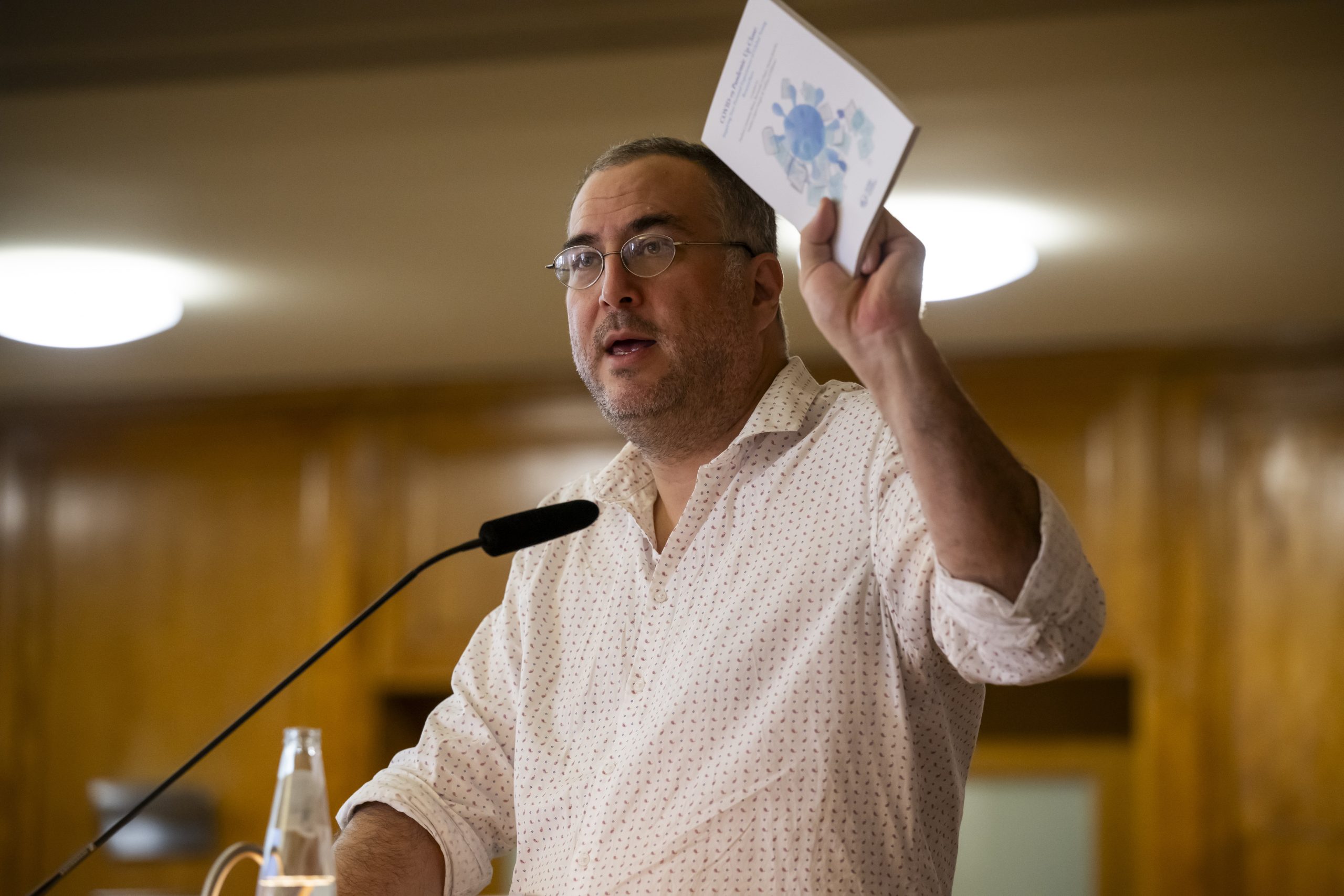
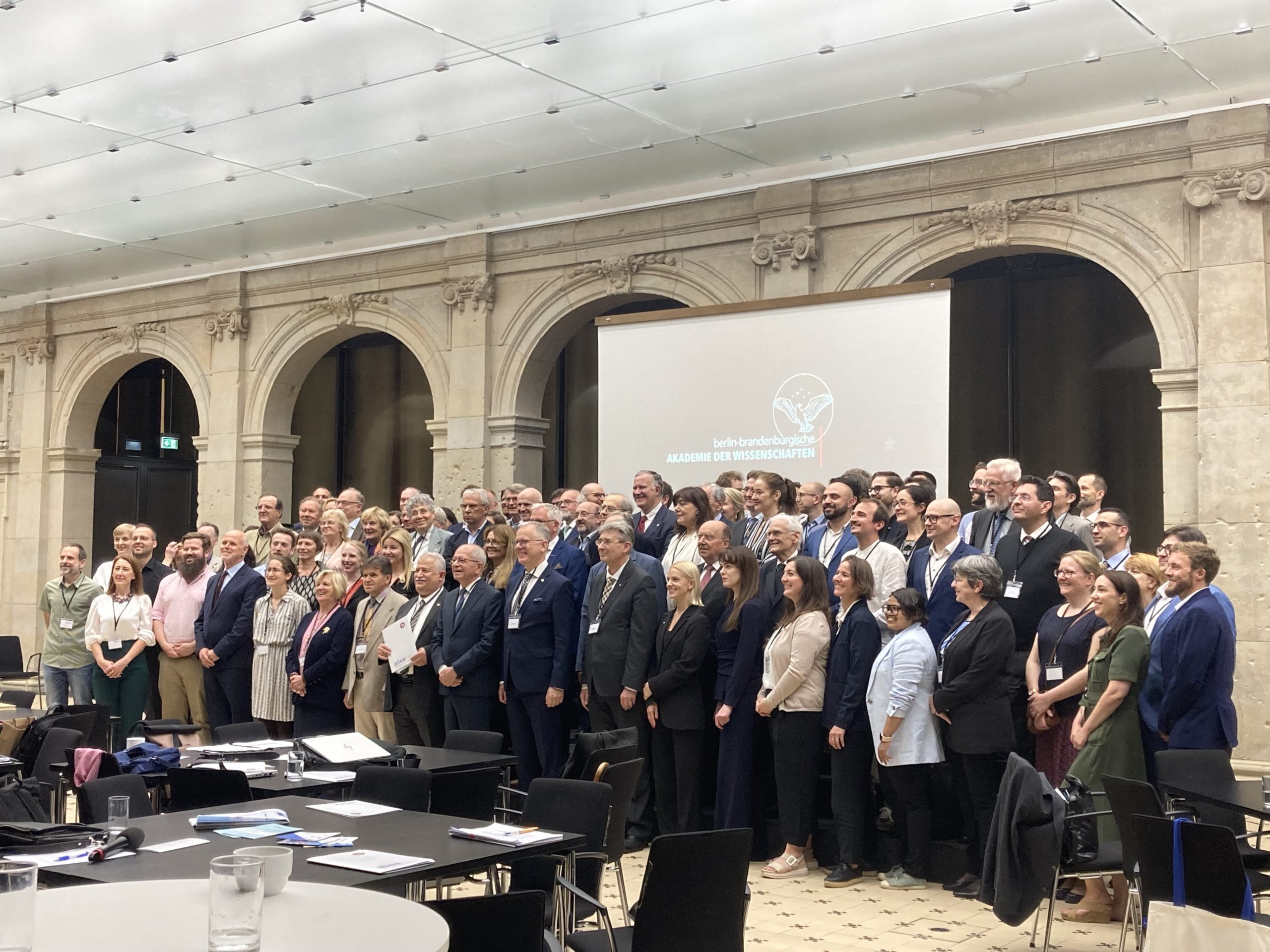
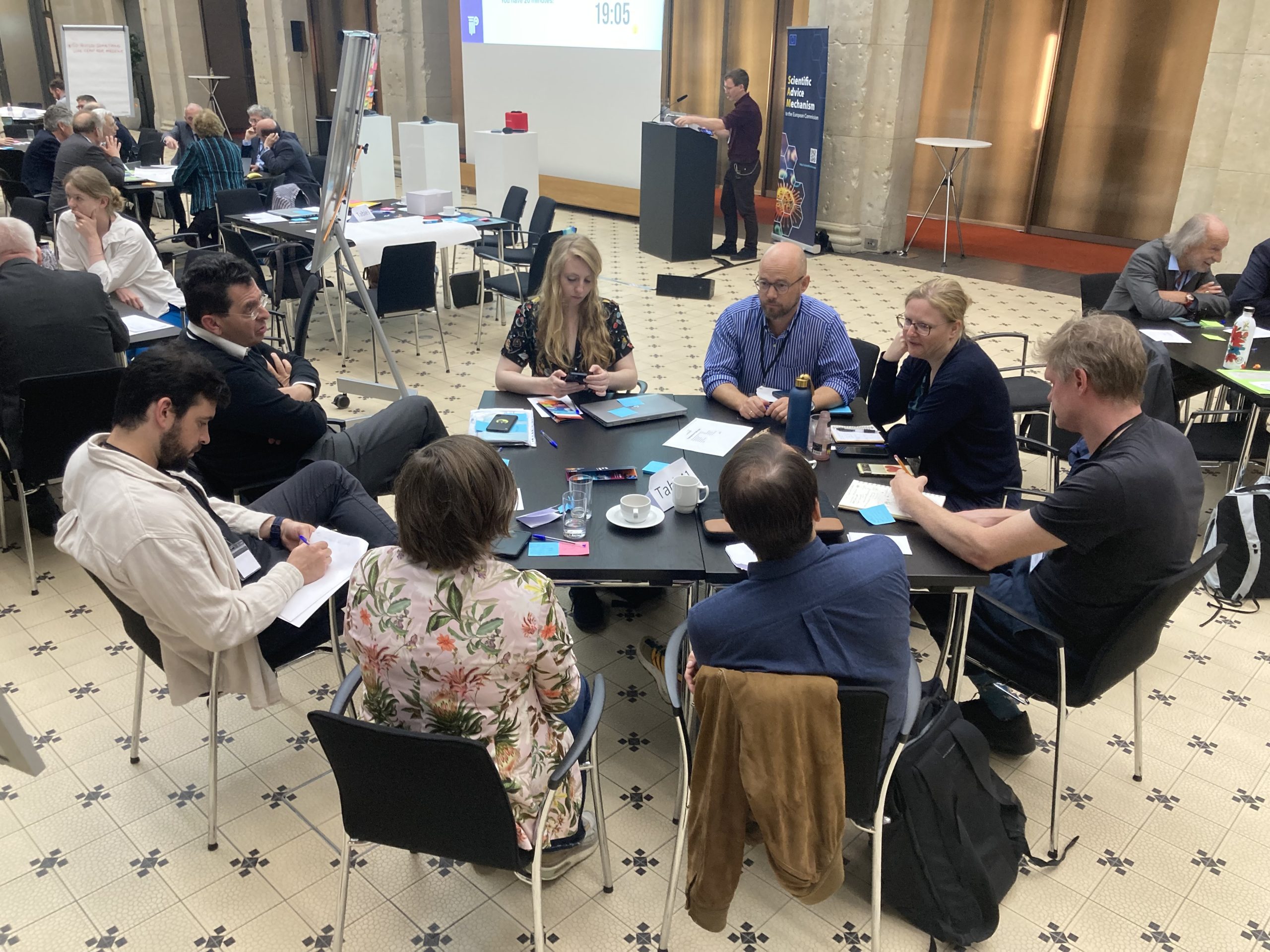
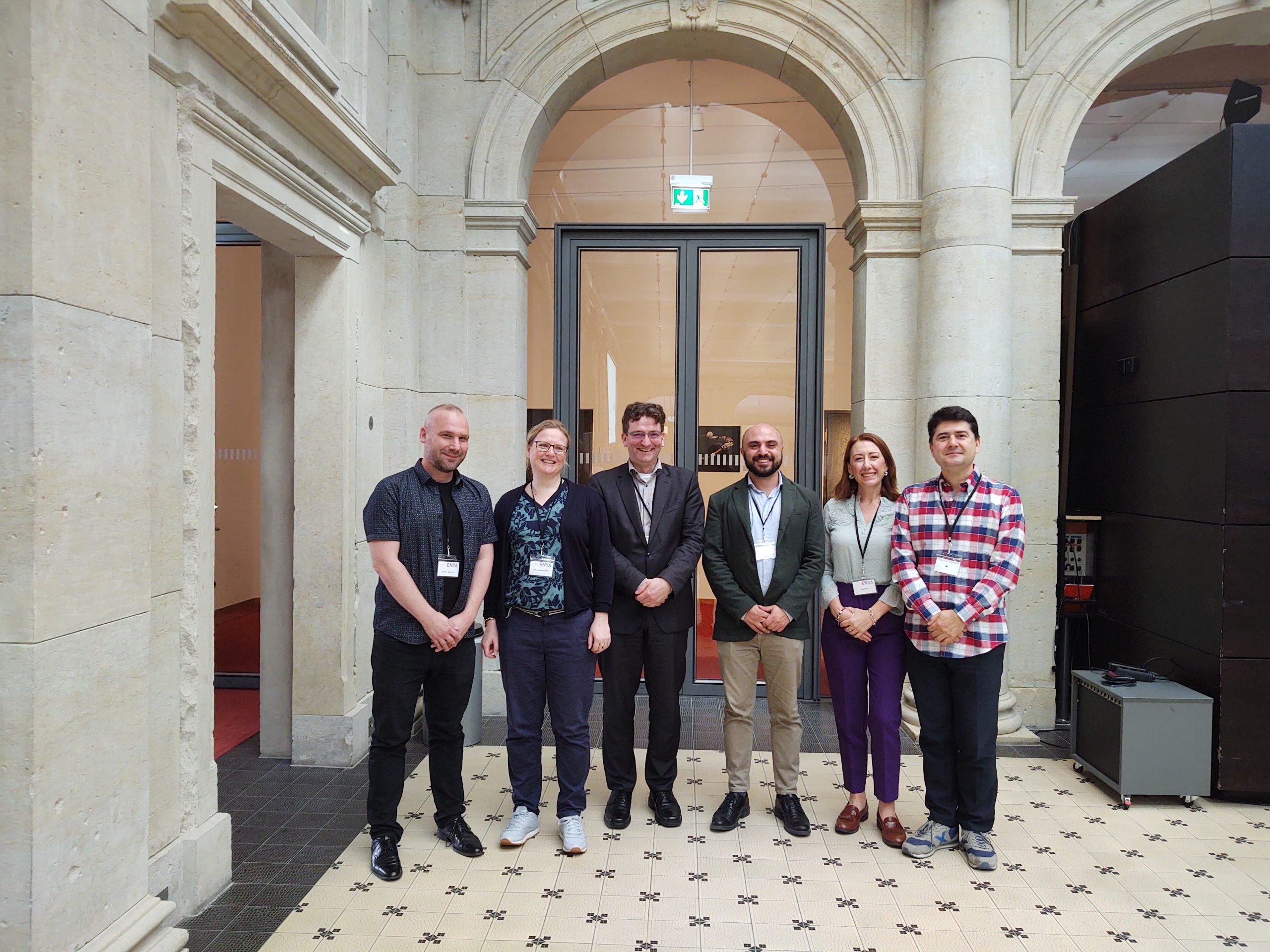
Photo: Bernd Brundert for the Junge Akademie
2023 European Young Academies Meeting in Sweden
Read more (click to expand)
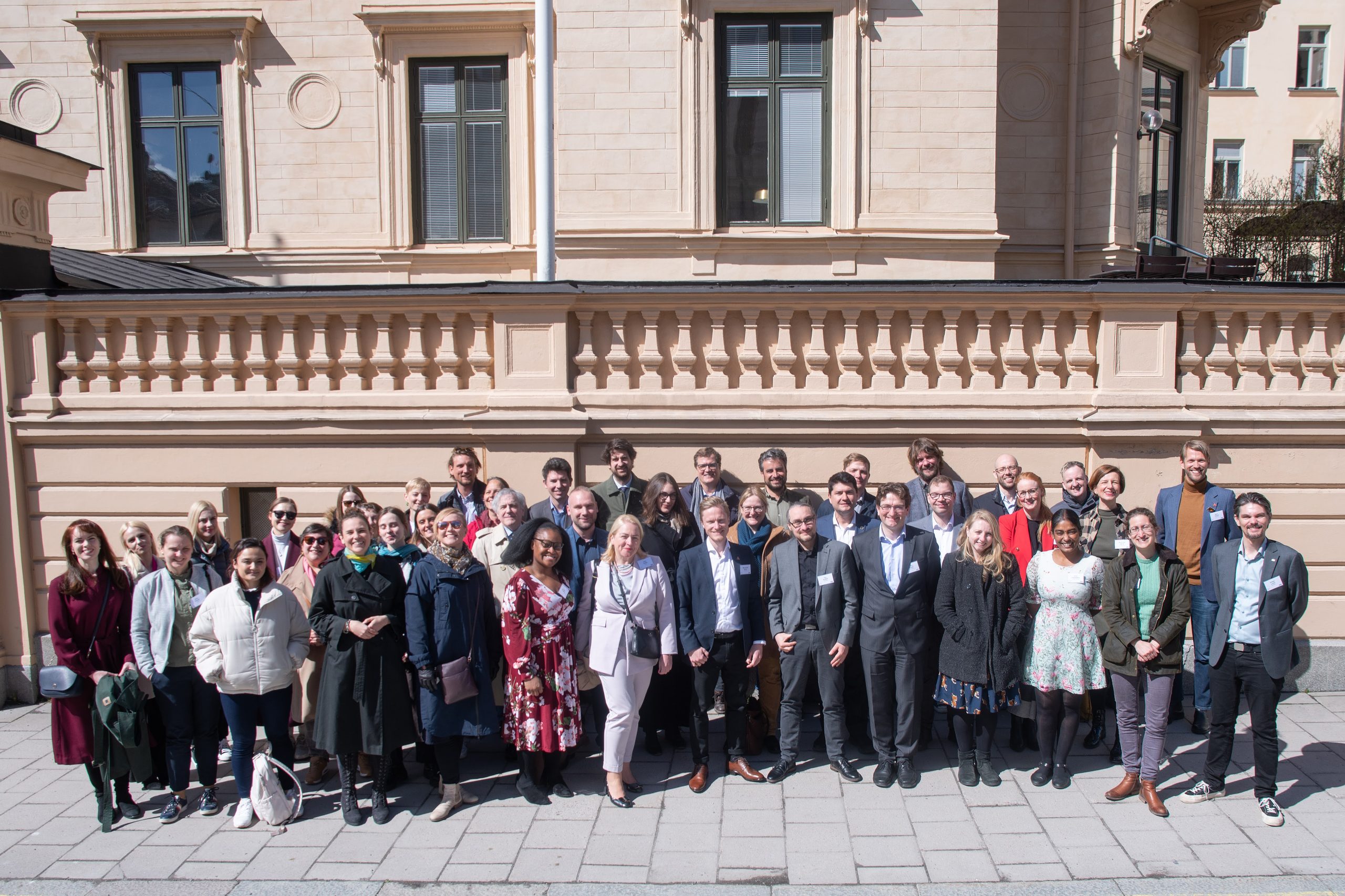
Young Academies from all over Europe met in Stockholm, Sweden, on 3-4 May 2023. The meeting, organised and hosted by the Young Academy of Sweden, brought together representatives from 21 young academies and academy initiatives and was the largest ever ENYA meeting to date.
The GYA was represented by Executive Committee member Filippo Rossi (Politecnico di Milano, Italy), GYA YASAS Delegate and Science Advice working group co-lead Markus Prutsch (European Parliament, Belgium), and Senior Project Officer Anna-Maria Gramatté. GYA member Jovana Milic attended for the Swiss Young Academy, alumni Javier Garcia & Javier Moguerza for the Young Academy of Spain, and member Tomislav Mestrovic attended on behalf of the Croatian Young Academy initiative.
Participants heard about current projects at some of the young academies, and discussed best practices and lessons learned about various young-academy-relevant topics. They also workshopped a draft version of the forthcoming Stockholm Charter on Academic Freedom.
A detailed mapping of the different characteristics associated with good and bad leadership was the result of a session on academic leadership. Input to this had come from a number of young academies, with Filippo presenting the GYA’s activities around science leadership, e.g., the various types of science leadershop workshops organized for members and other ECRs, or the 2022 edition of GYA Connections, which focused on Leadership.
On day two, the Young Academy of Sweden gathered policymakers, heads of funding bodies and world-leading researchers into academic freedom for a symposium on “Academic Freedom in a new era”. Four sessions considered various aspects of academic freedom, such as questions of funding freedom, or the role of a free scholar. A brief report from the symposium can be found on their website here.
As an outcome from the meeting, the Stockholm Charter for Academic Freedom was launched in January 2024 and signed by 20 young academies from Europe.
Next year’s ENYA meeting will be hosted by the German Young Academy in Berlin, with the GYA as co-host. The Swiss Young Academy will then welcome Europe’s young academies in 2025.
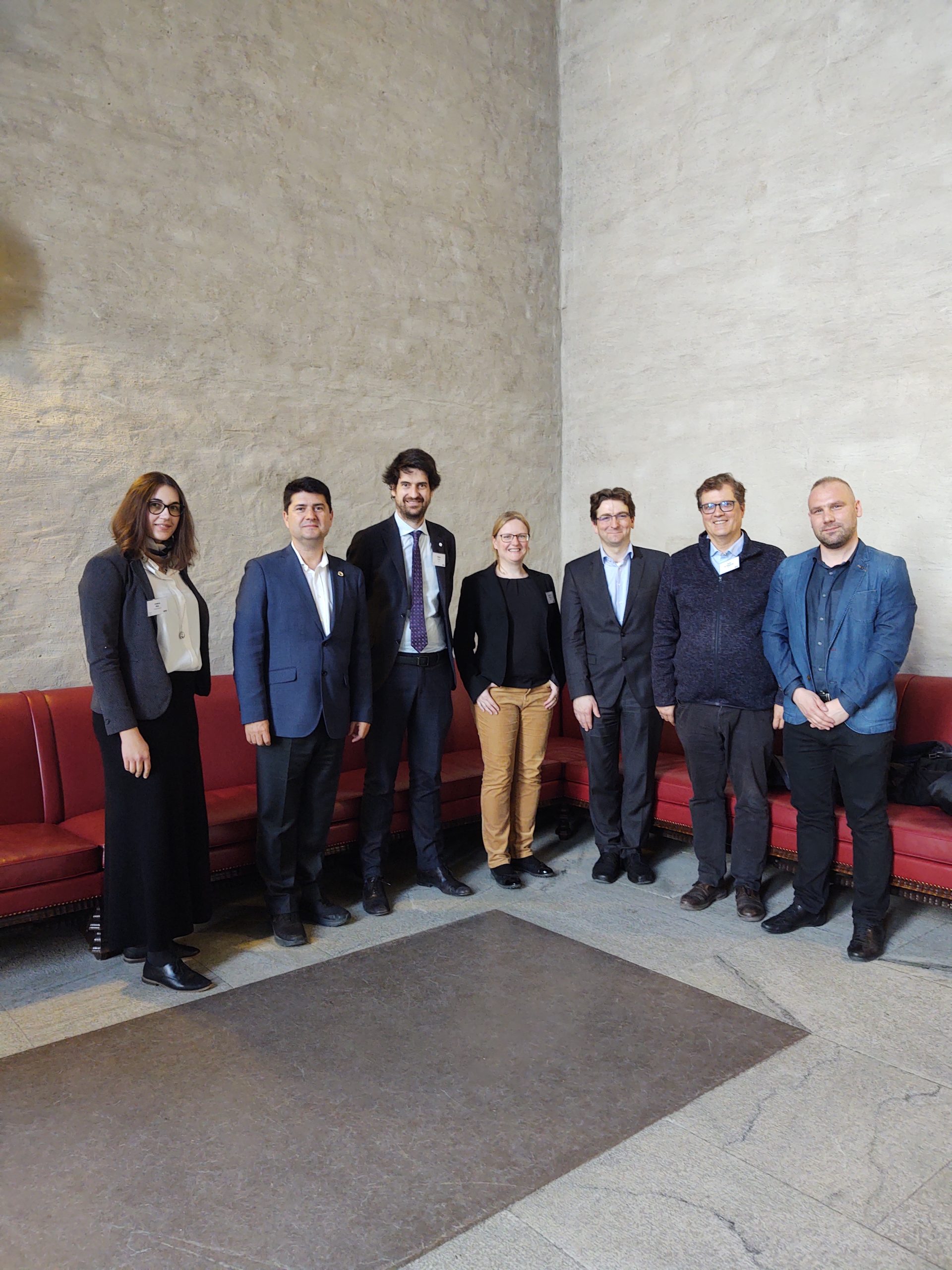
Photo: Erik Thor/Young Academy of Sweden
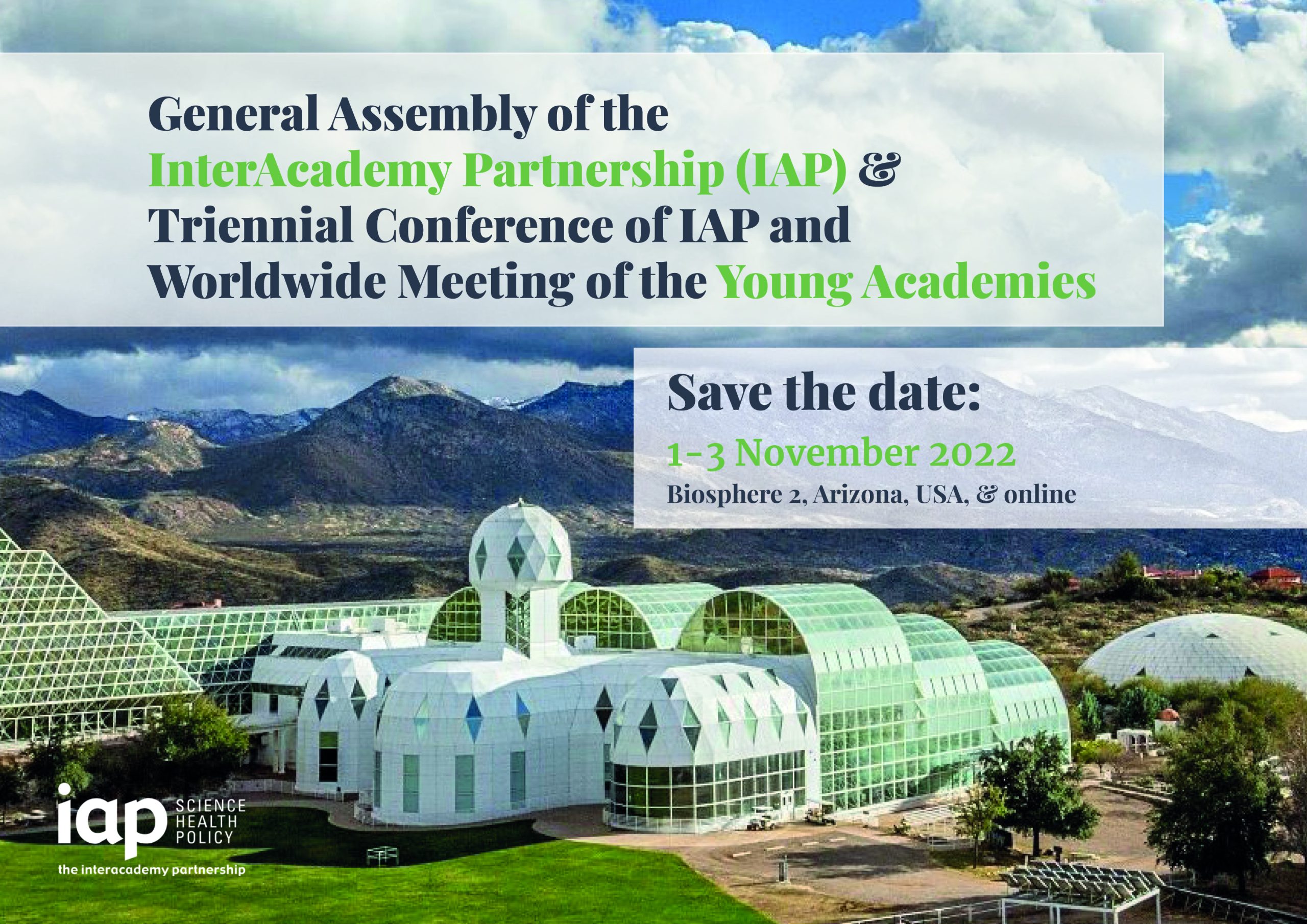
2022 Worldwide Meeting of Young Academies & IAP General Assembly & Joint Conference
Read more (click to expand)
The Worldwide Meeting of Young Academies 2022 was, for the first time ever, organised in collaboration with the InterAcademy Partnership to strengthen connections and collaborations between the young and the established science academies the world over.
The meeting was hosted by the U.S. National Academy of Sciences (NAS) and the Royal Society of Canada (RSC) and co-organized by IAP, the Global Young Academy (GYA), NAS, RSC, the RSC College, and the NAS New Voices Program. It was a hybrid meeting, with some in-person participation.
The meeting had three parts:
- Worldwide Meeting of Young Academies business session (by invitation only)
- IAP General Assembly (by invitation only)
- Joint Conference on ‘Inclusive Excellence: Harnessing knowledge for sustainable societies’
These joint meetings took place online and at Biosphere 2, Arizona, USA.
Further information available on the IAP website here.
Contact: For any queries regarding the 2022 Worldwide Meeting of Young Academies and connected events, please contact Anna-Maria Gramatté at the GYA Office.
Worldwide Meeting of Young Academies business session (in-person, and online; by invitation only)
The 2022 WWMYA session brought together (in-person and online) representatives from existing and from newly establishing young academies from all over the globe (see here for a current list of young academies). It offered a great opportunity for young academy representatives to exchange experiences, discuss successful young academy activities and develop common positions and best practices for cooperation both on a global and on regional levels. In doing so, the meeting carried forward the outcomes from the previous WWMYAs in the Netherlands (2012), Sweden (2015), South Africa (2017), and Vietnam (2019).
See here for the 2022 Booklet on “The World’s Young Academies”, to learn more about what Young Academies do and how they operate.
Land acknowledgement
We respectfully acknowledge the University of Arizona is on the land and territories of Indigenous peoples. Today, Arizona is home to 22 federally recognised tribes, with Tucson being home to the O’odham and the Yaqui. Committed to diversity and inclusion, the University strives to build sustainable relationships with sovereign Native Nations and Indigenous communities through education offerings, partnerships, and community service.
Pictured: Save the Date of the IAP for the GA of the IAP and worldwide meeting of young academies in 2022
2022 European Young Academies Meeting in May 2022, Brussels (Belgium)
Read more (click to expand)
Young Academies from all over Europe met in Brussels, Belgium, on 10-12 May 2022. The meeting, organised and hosted by the Belgian Young Academy, brought together representatives from 21 young academies and academy initiatives; some representatives joined online.
The GYA was represented by former Executive Committee member Maral Dadvar (TU Darmstadt, Germany), Science Advice working group co-lead Markus Prutsch (European Parliament, Belgium), and Senior Project Officer Anna-Maria Gramatté. GYA member Éva Dékány attended for the Hungarian Young Academy, and former Co-Chair Moritz Riede (University of Oxford, UK) attended on behalf of the UK-wide Young Academy initiative. GYA members Goran Bandov (University of Zagreb, Croatia) and Anet Režek Jambrak (University of Zagreb, Croatia) joined on behalf of the Croatian Young Academy initiative.
Participants heard updates on YASAS, the Young Academies Science Advice Structure; discussed current activities for researchers at-risk, and shared best practices from their various young academies:
- ‘Gender fairness in Academia: poster campaign and all universities’ charter’, by the Belgian Young Academy
- ‘Creating outreach, the example of the children’s book Forskardrommar’, by the Young Academy of Sweden
- ‘Expedition Mundus, a game that introduces science to children’, by the Belgian Young Academy
- ‘How to set up Young Academy Initiatives’, by former GYA Co-Chair Moritz Riede
- ‘The OVERLAP between science and art’, by the Belgian Young Academy
- ‘Research Assessment, Recognition and Reward’, by the Dutch Young Academy
On day 2, round table discussions with stakeholders from outside of the usual science and science policy bubble took place and led to learnings from other social actors and examine possibilities of cross-pollination on politics and policy in relation to science and arts, on economic incentives, technology, and entrepreneurship on science and arts; on sustainability and climate change; on interdisciplinarity and financialisation in science and arts; and on communication in science and arts.
For the first time ever, this meeting was held in conjunction with the ALLEA General Assembly and Public Symposium on “Transforming Science”, which provided fantastic opportunities for joint discussions and planning of future joint activities. ALLEA member academies heard about the vibrant landscape of young academies in Europe, and the sea change that had happened over the past 1o-odd years became clear: back then, it was almost a surprise if an established science academy had a Young Academy, whereas today, it is almost a surprise if a country does not have a Young Academy or is at least working on establishing one.
Meeting participants looked at the results of a survey conducted among the European young academies before the meeting, which showed that there is a lot of diversity among the European YAs (e.g., in the approach to the member selection) and a lot of willingness to learn from each other through sharing best practices. The survey, among other things, clearly showed that even in Europe, most young academies do not have any staff support, and very few of those who do have more than half a person.
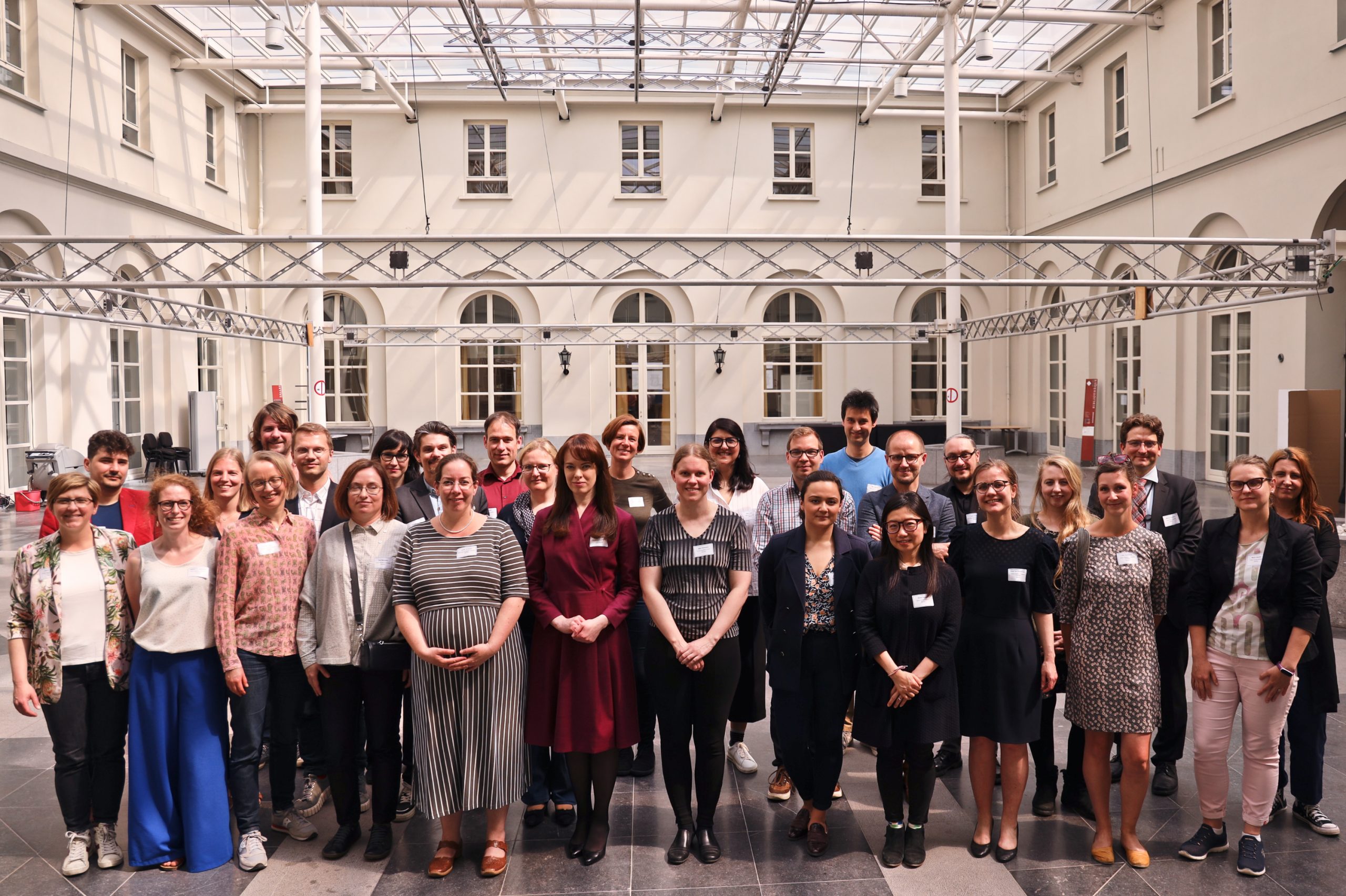
At the 2022 ENYA meeting, the new Brussels Charter for Young Academy member exchange was adopted and signed by 11 European YAs: the Young Academy of Austria, Estonia, Lithuania, the Netherlands, Scotland, Hungary, Sweden, Poland, Romania, Finland and Belgium (Flanders). The German Young Academy ratified it afterwards. The charter allows national YA members, in the framework of an institutionalized professional stay abroad, to participate in the workings of the young academy in the country of their stay.
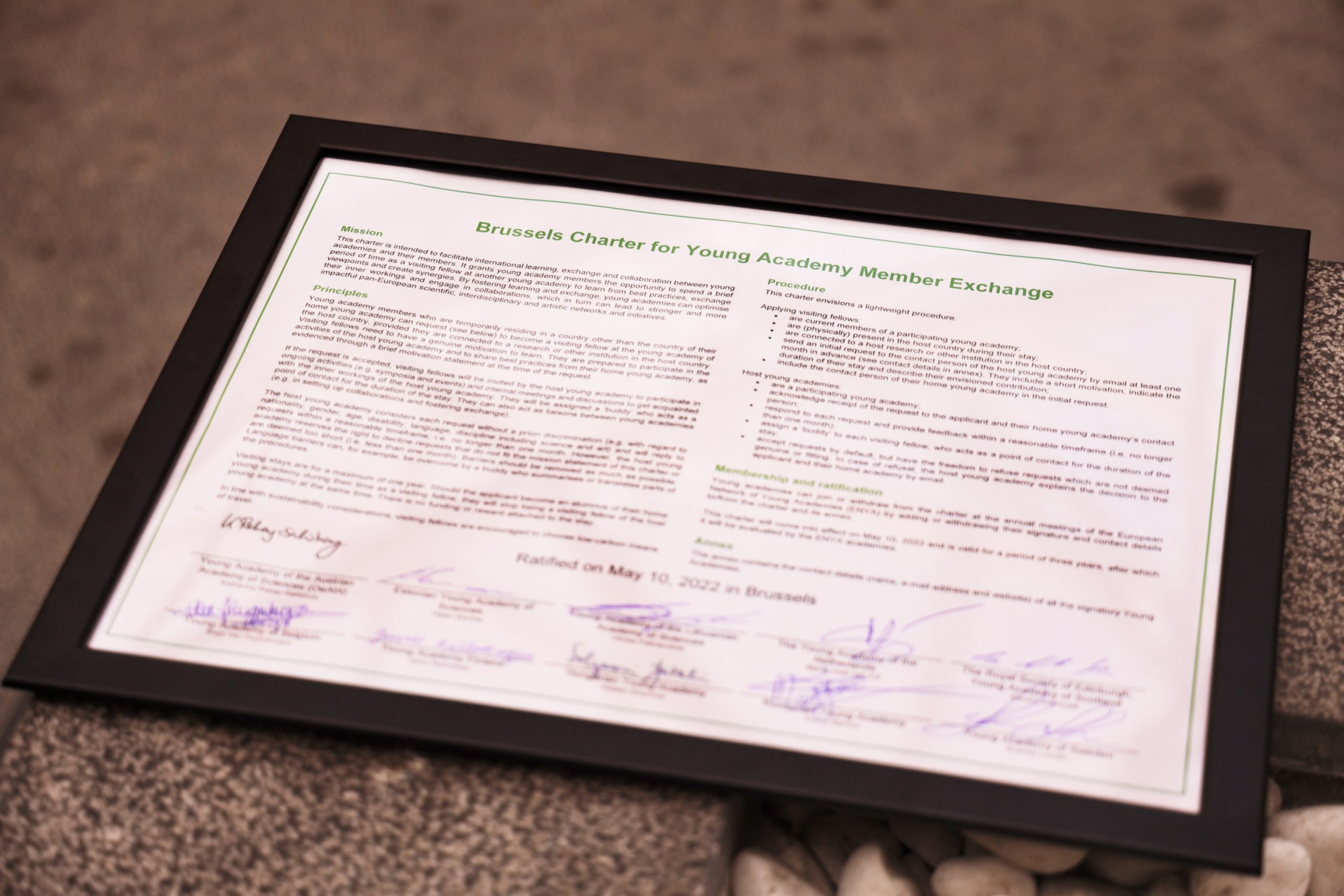
Pictured: Representatives of 21 young academies.
Largest-ever online meeting of Young Academies, Sept 2021
Read more (click to expand)
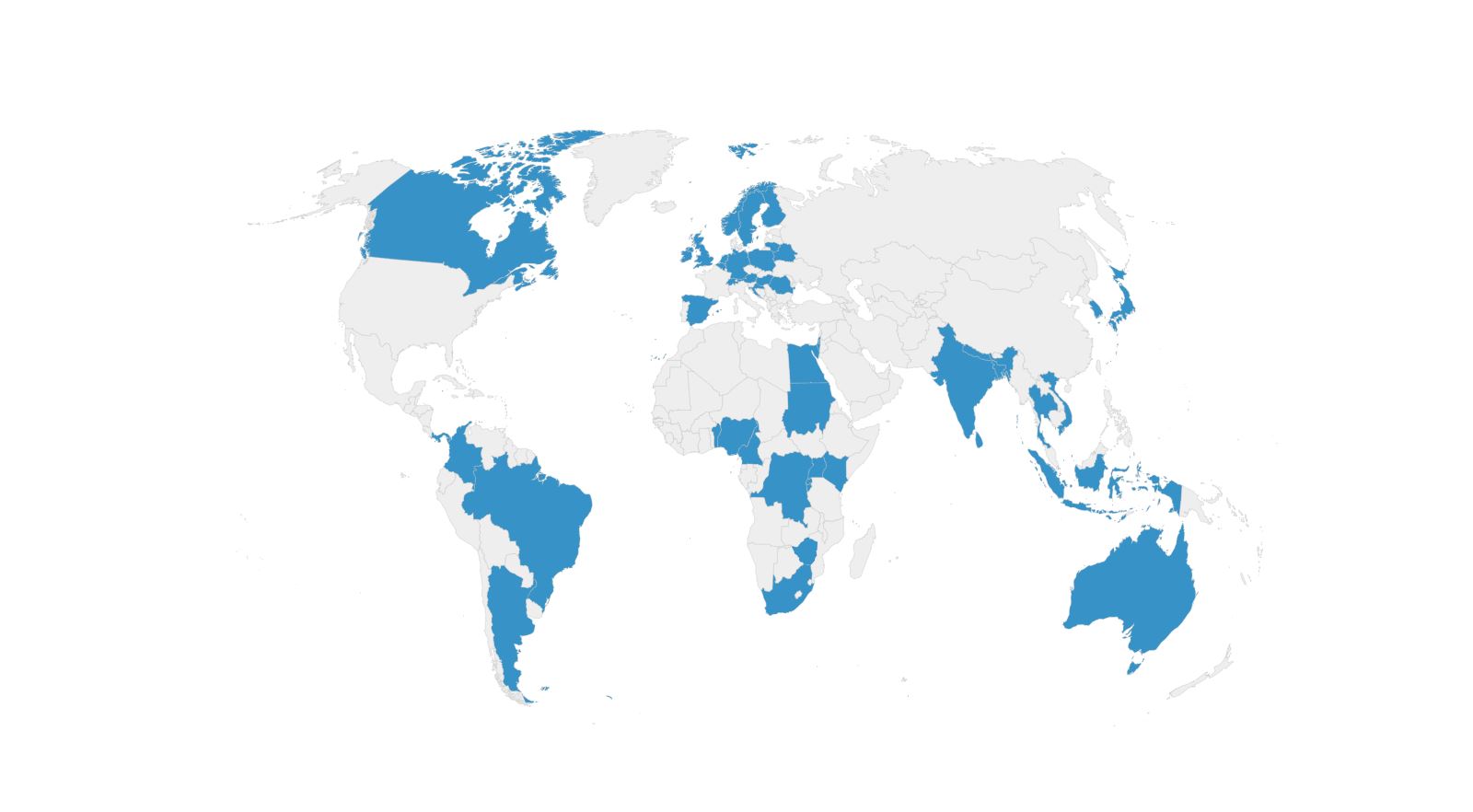
The second online meeting of Young Academies from around the world took place on 30 September 2021. The meeting was the largest gathering of young academies so far, with more than 70 representatives from 50 young academies and initiatives (see here for a current list of young academies).
The GYA was represented by EC members Lahcen El Youssfi (Moulay Slimane University, Morocco) and Encieh Erfani (IASBS, Iran) as well as GYA Managing Director Beate Wagner and Senior Project Officer Anna-Maria Gramatté. Several more GYA members participated wearing their respective young academy hats. The meeting was again organised and facilitated by the GYA, and all Young Academies were invited to contribute to the meeting agenda beforehand.
Although only a few hours long, due to the online setting, the meeting offered a great opportunity for young academy representatives to exchange experiences as well as to discuss successful young academy activities and common challenges.
Encieh led a discussion on the role of young academies in a pandemic/post-pandemic world, with inputs from various corners of the world: GYA member Luciana Balboa from the Argentinian Young Academy, Rosemary Tonjock from the Cameroon Academy of Young Scientists, Erik van Sebille from the Dutch Young Academy, as well as GYA member Chandra Shekhar Sharma from the Indian National Young Academy of Science.
Two breakout sessions then focused on young academies’ challenges and on opportunities for collaboration. Questions about the role of young academies in each country, their contributions and ways to become more active, effective and visible were discussed, as were issues of funding and of collaborating with established science academies and other stakeholders.
Another issue of discussion was how young academies should and could tackle the post-pandemic world, and what were lessons learned. The COVID-19 pandemic has highlighted differences between the various world regions, but has also resulted in young academies being more engaged in (national) science and policy arenas.
Additionally, alternating between in-person and online meetings, or organising hybrid formats in the future was seen as one lesson learned from the past months. While meeting in person is sometimes necessary and also desirable for personal interaction and informal ideas generation, young academies could advocate for the advantages of online meetings in the future, e.g., less funding is needed, no visa or travel restrictions, travelling less contributes to sustainability goals, more people can attend, and research results can be spread more widely. Meeting online also has its challenges, e.g., poor internet connectivity and unstable electricity supply in parts of the world, effective follow-up needed, and good virtual platforms and tools are needed to effectively work together online.
Furthermore, participants heard a brief update on planning for the Worldwide Meeting of Young Academies in 2022, which will hopefully be an in-person meeting again, and which will be organised in collaboration with the InterAcademy Partnership, to strengthen connections and collaborations between the young and the established science academies the world over. A call will go out to all young academies in the coming weeks to participate in the Programme Organising Committee for this event.
The latest additions to the young academies network – the Argentinian Young Academy, the D. R. Congo Young Academy of Sciences, and the Romanian Young Academy – were also represented at the meeting. Representatives from the young academy initiatives from Colombia, Croatia, Ireland, and Panama also attended to learn about existing young academy models and structures, areas of young academy engagement and possible cooperation.
For any queries regarding the worldwide network of young academies, please contact Anna-Maria Gramatté at the GYA Office.
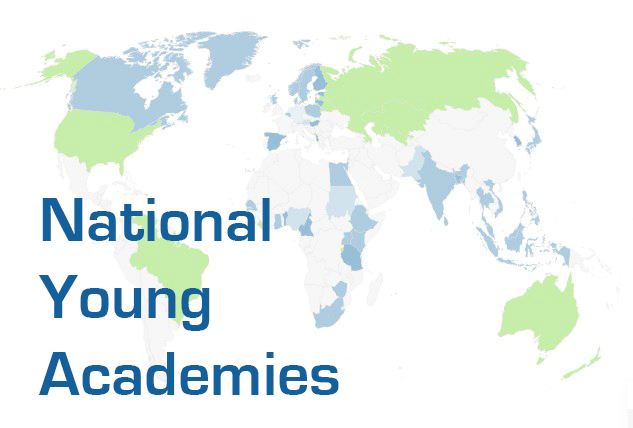
Pictured: Young academies map @GYA
2021 European Young Academies meeting, 7-8 May 2021
Read more (click to expand)
Young Academies from all over Europe met virtually on 7-8 May 2021. The meeting, organised and hosted by the Young Academy of Scotland, brought together representatives from 15 young academies and academy initiatives. The GYA was represented by Executive Committee member Maral Dadvar (Stuttgart Media University, Germany); several more GYA members participated wearing their respective young academy hats: members Gergely Toldi for the Hungarian Young Academy, and Anet Režek Jambrek for the Croatian initiative, as well as alumni Javier García Martínez for the Young Academy of Spain, and Moritz Riede for the UK-wide Young Academy initiative.
Participants continued discussions from last year’s meeting, and looked into young academies’ best practices, and discussed the role of young academies and early-career researchers in science-based policy advice.
The meeting also saw presentations by and interactions with high-profile speakers from Scotland’s research-policy interface, for example, Dame Anne Glover, Chair of the Royal Society of Edinburgh’s Post-COVID commission, and former Chief Scientific Advisor to the European Commission, who spoke on the role of National Young Academies in global post-COVID resilience and recovery.
Other sessions included discussions on how best to strengthen relationships among the network, and a presentation by the Young Academies Science Advice Structure (YASAS). This had been set up in December 2020 after several months of work by members of the European Young Academies. YASAS interacts with SAPEA (Science Advice for Policy by European Academies), to provide a mechanism for early- and mid-career scientists across Europe to feed into international policy-making, by contributing independent scientific advice to European Commissioners to support their decision-making. During the meeting, participants discussed how YASAS was functioning, what it would bring to young academies and how additional young academies from Europe could join the network. YASAS is open to all national and transnational young academies in Europe, and non-member academies were invited to join the network now in time for the YASAS General Assembly meeting on 11 June.
The European Young Academies will meet again – hopefully in person – in Brussels, Belgium, in 2022, when the Young Academy Belgium will host the meeting.
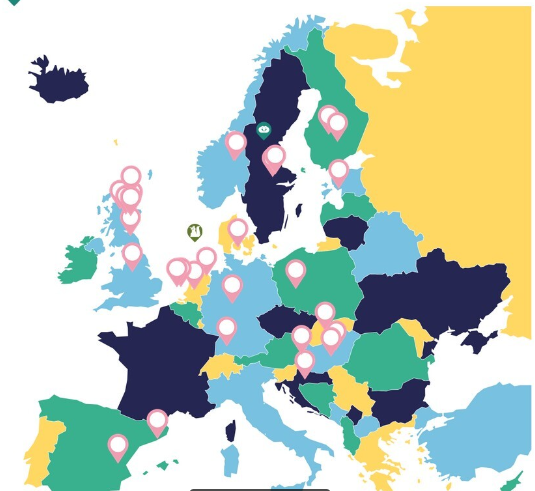
Pictured: Young academies map @GYA
Online Young Academies Meeting, September 2020
Read more (click to expand)
Check back soon, currently not available
Pictured: Young academies map @GYA
European Young Academies Meeting, July 2020 (Berlin, Germany), online
Read more (click to expand)
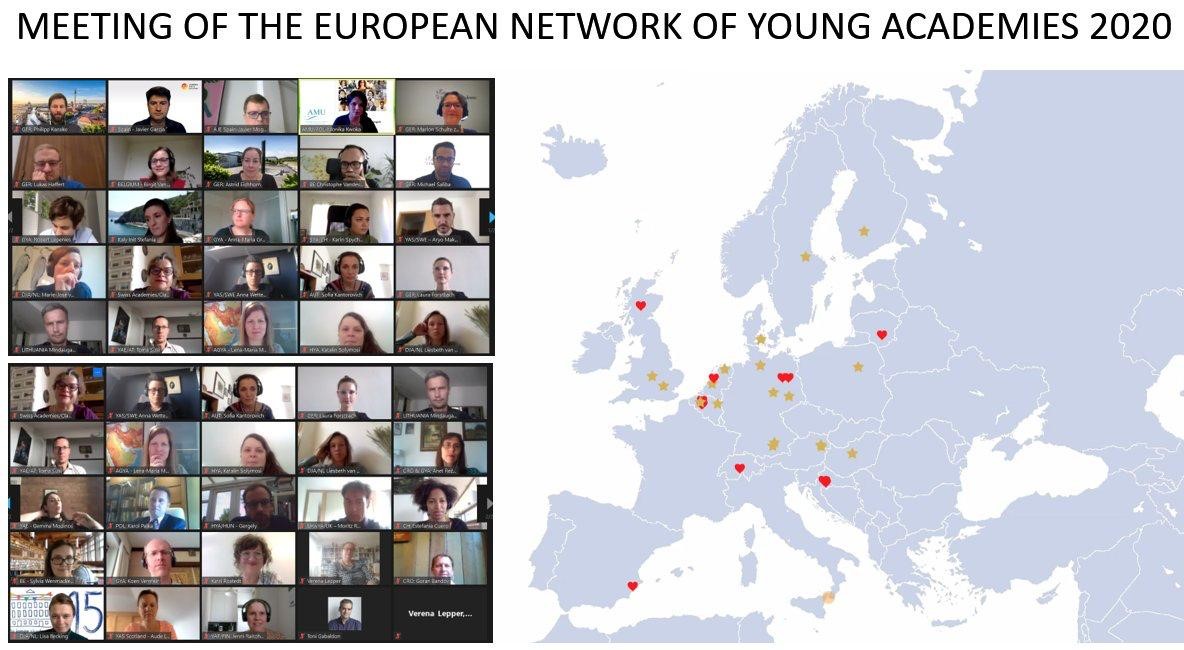
Young Academies from all over Europe met online on 4-5 July 2020. The meeting was hosted by the Junge Akademie (Germany), who are celebrating their 20th anniversary this year. The online meeting saw the highest number of participation ever, bringing together representatives from 22 young academies and academy initiatives. The GYA was represented by Immediate Past Co-Chair Koen Vermeir (CNRS, France), and EC member Robert Lepenies (Helmholtz Centre for Environmental Research, Germany), as well as GYA Project Officer Anna-Maria Gramatté.
Several more GYA members participated wearing their respective young academy hats: GYA Co-Chair Michael Saliba for the Junge Akademie, members Gergely Toldi for the Hungarian Young Academy, Stefania Mondello for the Italian initiative, Anet Režek Jambrek and Goran Bandov for the Croatian initiative, and alumni Javier García Martínez, Javier Martínez Moguerza, and Toni Gabaldón for the Young Academy of Spain, alumna Verena Lepper for the Arab-German Young Academy, and alumnus Moritz Riede for the UK NYA initiative.
Participants continued discussions from last year’s meeting in Helsinki, looked into young academies’ best practices, and discussed the role of young academies and early-career researchers in science communication and science-based policy advice.
The Young Academy Finland briefly presented their Young Researchers as Knowledge Brokers project, which gathers information from European young academies on their science-policy interface activities.
This was followed by a round-table discussion on “Science communication and policy advice” with guest speakers Jutta Allmendinger, President of the WZB Berlin Social Science Center, and Reinhard Bütikofer, Member of the European Parliament (Greens/EFA). In an inspiring exchange of experiences and ideas, they discussed the demand from policy-makers for science advice, as well as pathways into the science-policy arena for young scientists and academies in particular, and the limitations of providing science advice. They agreed that policy-makers need to receive science-based advice and that science has an intrinsic motivation to share knowledge with politicians. However, engaging in science advice often does not add to a scientist’s reputation and exposes them personally. In order to provide science advice, young academies should self-organise and connect transnationally and multi-sectorally.
A session with the President of All European Academies (ALLEA), Antonio Loprieno, provided valuable insights into the current work of this European academies network, and the role that young academies could play within the network. The Junge Akademie recently joined ALLEA, to better engage with academies within Europe and to work on topics that go beyond a national audience.
A central item on the agenda was the potential inclusion of ECRs and young academies in the science advice structures on the European level. Rudolf Hielscher, Coordination Team Chair at SAPEA, introduced this Science Advice for Policy by European Academies consortium and discussed the potential role of Young Academies in SAPEA. This was followed by discussions among the young academy representatives about a potential Young Academies Science Advice Structure (YASAS). The majority of participants expressed their intent to continue developing this in coming months.
The latest additions to the young academies network – the Swiss Young Academy and the Romanian Young Academy – were also represented at the meeting. Representatives from the young academy initiatives from Croatia, Italy, Latvia and the UK also attended to learn about existing young academy models and structures, areas of young academy engagement and possible cooperation.
The European Young Academies will meet again – hopefully in person – in Edinburgh, UK, in 2021, when the Young Academy of Scotland will host the meeting.
Pictured: Participants in the 2020 online meeting of European young academies.
Photo: @pkanske